
Chipped Tooth: What to Do Now and How a Dentist Fixes It
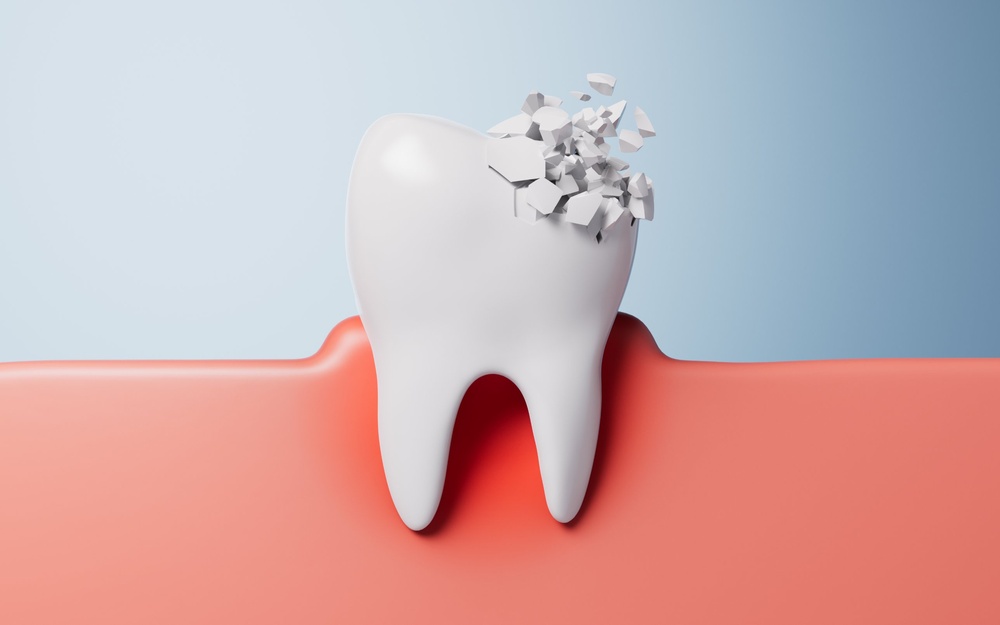
Not only is a chipped tooth an aesthetic concern, but if any portion of a tooth is broken, it could lead to more serious damage to the internal parts of the tooth. Regardless of whether a chip is painful, the most important thing that you can do is reach out to our dental office to schedule an appointment.
Over time, chips can get bigger and cause more serious complications in the future. Additionally, if there is a deeper break, then it’s possible that bacteria might enter and eventually reach the pulp and nerve inside the tooth.
Here are a few things that you need to know if you have a chipped tooth and how to tell when you have a dental emergency that needs to be addressed right away.
First Steps to Take When Your Tooth is Chipped
A tooth chip can happen suddenly and when you least expect it: you bite into something hard, get hit in the face, or wake up after grinding your teeth while sleeping. Follow these immediate steps if you notice a chipped tooth in your mouth:
- Rinse your mouth gently using warm water to clear out any pieces that broke off
- If you find any broken pieces, save them and bring them to the dental appointment
- If you are experiencing swelling or pain, then hold a cold compress on the outside of your cheek or lip.
- Over-the-counter pain relievers can be used if needed, following the dosage instructions on the bottle.
- When there is a sharp edge that is bothering you, it can be temporarily covered with dental wax or sugar-free gum to prevent cuts on your tongue or cheek.
- Don’t chew on that side of your mouth.
- Avoid eating foods that are too hot, cold, or sticky.
When a Chipped Tooth Is a Dental Emergency
Some tooth chips are minor and don’t really cause much pain or discomfort, which means that you might be able to schedule a dental appointment within the next few days. But there are times when a severely chipped tooth can interrupt your life and requires emergency attention.
Always come to our dental office right away if your tooth is chipped and you are experiencing pain, bleeding, swelling, sharp edges, a loose tooth, or a large break. If you can see pink or red tissue that is visible inside the tooth, then it’s possible that the nerve might be exposed.
Even small, painless chips should be treated within a few days. It’s possible that the damage might be deeper than it appears, which is why it’s best to consult with a dentist without delay.
How a Dentist Fixes a Chipped Tooth
The first step when you come to our office for a chipped tooth treatment is to complete an exam and X-ray to see the extent of the damage. Depending on how severely the tooth is damaged, there are several treatment options that we might recommend:
- Polishing: Tiny chips can sometimes be smoothed over. We polish the rough edge without the need for any further tooth restoration services.
- Dental Bonding: If a portion of the tooth needs to be restored, then dental bonding is a common treatment. We place tooth-colored resin and shape it onto the tooth. Then, a special curing light is used to harden the composite material.
- Filling: If there is decay in or around the chip, we will use a dental drill to remove the damaged part of the tooth before the composite materials are placed for the filling.
- Veneer: A larger tooth chip on a front tooth can be covered up with a veneer, which is custom-designed to fit your tooth perfectly.
- Crown: A tooth that is severely damaged might need a full cover, known as a dental crown or cap.
- Root Canal: If the nerve is exposed, then a root canal might be necessary before the restoration is put over the damaged tooth.
- Extraction: We try to avoid dental extraction when possible. But there are times when a crack is so severe that the tooth cannot be saved. Replacement options might be recommended, such as dental implants.
How to Protect Your Teeth to Reduce the Likelihood of Chips and Cracks
While teeth are naturally quite strong, certain lifestyle factors can increase the risk of getting a chipped tooth. Here are a few simple solutions that can protect your teeth and reduce the risk of damage:
- Always wear a mouthguard when participating in contact sports.
- If you grind your teeth, ask about wearing a nightguard while you are sleeping.
- Don’t chew on ice, pens, or hard candy.
- Never open packages with your teeth.
- Be proactive about regular dental checkups so that cavities and old fillings can be replaced, since weak teeth chip more easily.
Dental Care You Can Trust for a Healthy Smile
Whether you need restorative dentistry to fix a chipped tooth or you are interested in learning more about a bigger smile makeover, our dental team is here to assist. We offer multiple locations for your convenience. If you have a damaged tooth, then reach out to us right away to schedule an appointment. Call any time if you have questions about available services.
Frequently Asked Questions
No, a tooth cannot heal on its own because enamel doesn’t regrow. If you have a chipped tooth, then you need to visit a dentist to repair it.
If the chip is small and painless, then it’s ok to wait for a few days before seeing a dentist. But more severe symptoms usually indicate a dental emergency, and you should contact our office without delay.
Yes, if the chip is left untreated and bacteria gets inside and reaches the nerve, then you will likely develop an infection or abscess. It’s better to treat the chip early before it leads to more severe complications.
The cost of your chipped tooth treatment depends on the severity of the damage to the tooth and the type of treatment that is needed. For example, a quick polish will be cheaper than a bigger filling or a full crown. Our team will provide pricing information before moving forward with the treatment.
 English
 Spanish