The Truth About Dental X-Rays: Safety, Purpose, and What They Reveal
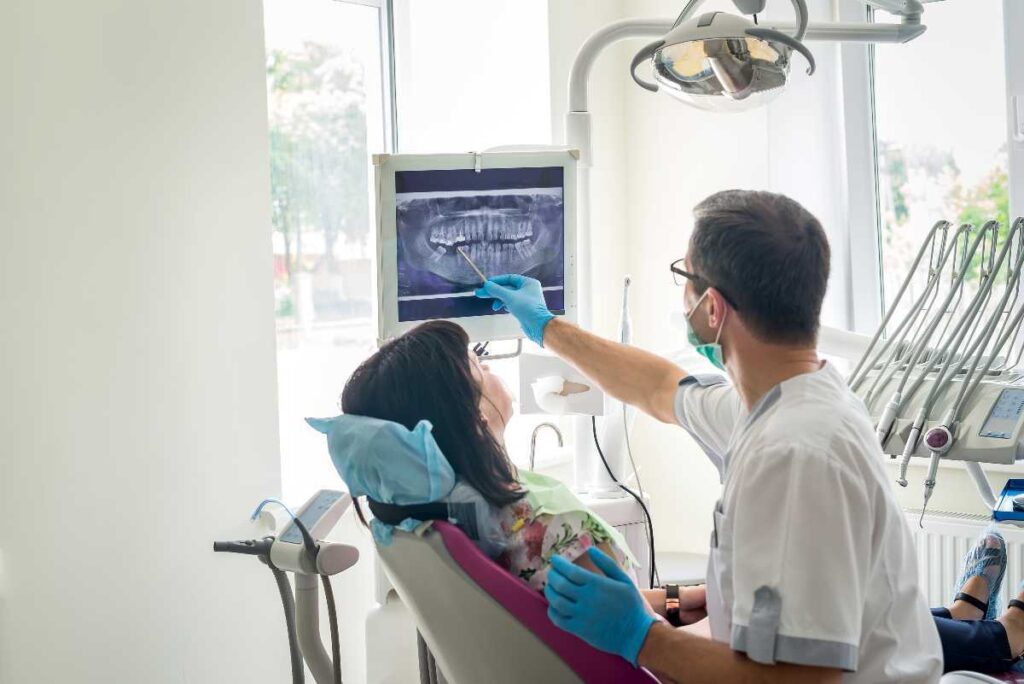
Even though dental X-rays are a routine part of a dental checkup, it’s understandable that some patients are hesitant because of the potential radiation levels. The good news is that modern dental technology has improved the options for dental imaging, which means that the risk is much smaller than you might think.
In this article, we’re taking a closer look at how dental X-rays work, why they are used, and what you need to know
Why Dental X-Rays are an Important Part of the Examination
Certain dental issues can be diagnosed with a visual exam, there is a significant portion of each tooth that is out of sight since it is surrounded by the gums and jawbone. Even if the teeth look healthy, there could be underlying dental problems that go undetected during a visual exam.
Modern dental offices are equipped with X-ray equipment to give the dentist a closer look at what is happening below the surface.
We offer both bitewing vs panoramic X-rays, which serve different purposes:
- Bitewing X-Rays: The bitewing imaging helps by catching decay between the teeth and along the gumline. These images are also helpful to catch cavities in the earliest stages and also monitor bone levels.
- Panoramic X-Rays: Dentists can use panoramic images to get a full view of the jaw, roots, and developing teeth. Looking at the entire mouth in one image is useful for evaluating jaw alignment, wisdom teeth, and overall jaw health.
- Periapical X-Rays: If there is a concern with an individual tooth, we can use this type of X-ray to zoom in and look at the whole tooth from crown to root.
These dental images are helpful for identifying common issues such as cavities, infections, bone loss, and impacted teeth. The best solution is to catch potential issues in the earliest stages so they can be treated before developing into more serious complications.
How Much Radiation Are We Actually Talking About with Dental X-Rays?
Radiation is one of the biggest concerns with digital radiography. The good news is that radiation levels from dental X-rays are some of the lowest compared to all other types of medical imaging.
To put it into perspective, we can use the Banana Equivalent Dose: when we capture a standard set of bitewing X-rays, you are getting a radiation dose that is comparable to the natural radiation in one banana.
Now that technology has advanced and dental offices have replaced traditional X-rays with digital imaging, radiation exposure has been decreased by up to 80 percent. Additionally, this modern technology produces images that are sharper and more detailed.
Protective Measures to Manage Radiation Exposure
Are dental X-rays safe? Absolutely, especially when the right technology and protective measures are used. Some of the things that we can do to minimize radiation risk are by using lead aprons and thyroid collars, which shield the body from scatter radiation when the X-ray images are being captured.
Even with the minimal amount of radiation when we are using digital radiography, we can still provide these routine protections to minimize the potential risk.
If you have any potential issues that could be complicated by radiation exposure, such as being pregnant, then it’s essential that you inform our dental team so that we can take additional precautions if needed.
How AI Is Changing What X-Rays Can Find
As technology continues to advance, dental experts are looking at the possibilities of AI cavity detection and AI-assisted diagnostics. When the X-rays are taken, AI software can help the dentist with analysis by flagging any early-stage concerns that might have been missed otherwise.
AI-assisted diagnostics are like having a second set of eyes during the exam. But they don’t replace clinical judgment. The dentist still makes the final diagnosis and provides the treatment plan recommendations.
Safe, Quality Dental Care for Patients of All Age
Our dental office is equipped with digital radiography to provide our patients with the best quality care. We use dental X-rays to help with diagnosis, ensuring that you have the healthiest smile possible. As a result, potential dental issues can be treated early, when the treatment is simpler.
Learn more about our services for routine exams and preventive dental care. Call our team at myDental any time to learn more about available treatments and dental services. Book an appointment at a location near you, or call anytime if you have questions about these services.
FAQs
How often should I get dental X-rays?
X-ray frequency depends on your individual risk factors. Most low-risk patients only need dental X-rays once every year or two. But patients with higher risk factors (such as cavities or gum disease) might need X-rays more frequently.
Are dental X-rays safe during pregnancy?
Most dental professionals recommend avoiding dental X-rays during pregnancy. If X-rays are necessary for emergency dental treatments, then we use extra precautions to minimize radiation exposure. Always tell your dentist if you are pregnant.
Can AI really improve cavity detection?
AI cavity detection can support diagnosis, but it doesn’t replace the dentist. The goal is to leverage technology to identify potential early-stage cavities and other dental complications.
 English
 Spanish