
The Real Reason Your Gums Bleed and Why It Matters
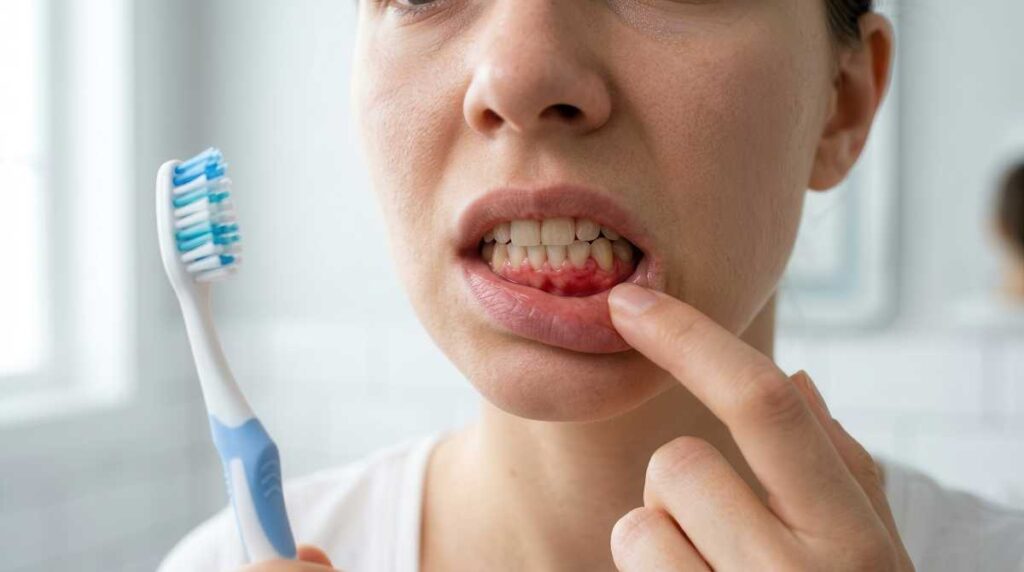
Too often, patients dismiss bleeding gums because they assume that it’s minor and just irritation from brushing too hard. But the reality is that if you are noticing blood in the sink, then your body is trying to send a message. Understanding bleeding gums causes is the first step to protecting your oral health by treating the root causes.
The Most Common Culprit of Bleeding Gums: Gingivitis
In most situations, if you have bleeding gums, then it’s likely because you currently have gingivitis. The good news is that with the right care and professional treatment, these issues can be treated so that you can stop the progression of gum disease.
Gingivitis occurs if plaque has built up near the gumline. As a result, bacteria start to cause irritation to the gum tissue, and the gums will become swollen, red, and can bleed.
The most common gingivitis symptoms include:
- Gums bleed easily
- Swollen or puffy gums
- Tenderness along the gumline
- Persistent bad breath
It’s important to understand that it’s not normal to have bleeding gums. These issues won’t be resolved without treatments to take care of the underlying causes.
When Gingivitis Turns into Periodontitis
Gingivitis is early-stage gum disease, and when it’s left untreated, it eventually develops into a more advanced infection known as periodontitis. At this point, the bone and tissue supporting the teeth are affected, and it can lead to serious complications.
It’s critical that you seek periodontitis treatment as soon as possible to preserve your teeth and avoid more intensive dental treatments in the future. A deep cleaning SRP (scaling and root planing) is the most common step, which is a way to smooth the tooth root so that future bacterial buildup is prevented.
Skipping this deep cleaning treatment can have a long-term impact on your smile, with complications that include tooth loss, bone deterioration, and even broader systemic infections.
The Role of Nutrition in Gum Health
In addition to good oral health habits at home and regular dental checkups, there are also things that you can do with your diet to reduce the risk of gum disease. For example, a vitamin C deficiency is one of the bleeding gums causes that is sometimes overlooked. Vitamin C is critical for collagen production and helps to maintain the integrity of your gum tissue. If you have low levels of vitamin C, then your gums might weaken, and you have a higher risk of bleeding.
Vitamin K deficiency is another issue that could impact your body’s ability to manage blood clotting properly. So, even if you only have minor gum irritation, it could make the bleeding seem worse if your vitamin K levels are low.
The simplest way to avoid these issues is by adding more fresh produce and leafy greens to your diet. These foods help to address these deficiencies because they are rich in vitamins and minerals.
Other Contributing Factors of Gum Disease and Bleeding Gums
The best way to treat bleeding gums is by addressing the underlying issues that are causing the symptoms. Our dental team will discuss other health and lifestyle factors that might be playing a role:
- Hormonal Shifts: There is a higher risk of pregnancy gingivitis when the hormones start to change during this stage of life. Additionally, hormonal triggers during menopause can affect gum sensitivity and oral health.
- Medications: Blood thinners and other medications can increase the risk of bleeding throughout the body (including the mouth and gums).
- Smoking: Since smoking reduces blood flow, it can mask the symptoms of bleeding gums. Sometimes patients notice that their gums start bleeding more after they stop smoking.
- Poor Oral Hygiene: In addition to brushing, it’s essential that you floss on a daily basis. Flossing removes plaque and buildup between the teeth, which means that you are at a higher risk of gum inflammation if you skip flossing.
Bleeding Gums Are Trying to Tell You Something Important
If you have bleeding gums, then it’s a signal from your body that treatment is needed. The best thing that you can do is contact our team at myDental for Preventive Dental Care and full-service care. Our goal is to catch gum disease in the earliest stages so that you can avoid long-term complications. Book an appointment at one of our nearby locations, or call our office if you have questions about available services.
FAQs
Is it normal for gums to bleed when I floss?
If your gums start bleeding when you floss, then it’s a warning sign that you might have gingivitis. It’s a good idea to schedule a checkup with your dentist. Healthy gums don’t bleed when you are consistent with flossing.
What is deep cleaning SRP, and does it hurt?
This periodontitis treatment reaches deep below the gumline to treat pockets of plaque buildup and infection. Discomfort is minimal, especially when local anesthesia is used.
Can diet cause bleeding gums?
Yes, both Vitamin C deficiency and Vitamin K deficiency can contribute to gum bleeding because these deficiencies weaken tissue integrity.
Will pregnancy gingivitis go away after delivery?
Most women experience an improvement in their bleeding gums when their hormonal shifts start to stabilize after delivery. But you should still monitor the symptoms and contact a dentist if there are any signs of gum disease.
 English
 Spanish