Root Canal — Save Your Natural Tooth and Stop the Pain
If you have been told you need a root canal, take a deep breath. Modern root canal therapy is nothing like its reputation. It is a comfortable, routine procedure that eliminates infection, stops the pain, and lets you keep your natural tooth. At myDental, we use advanced techniques to make the experience as smooth and stress-free as possible.
What Is a Root Canal?
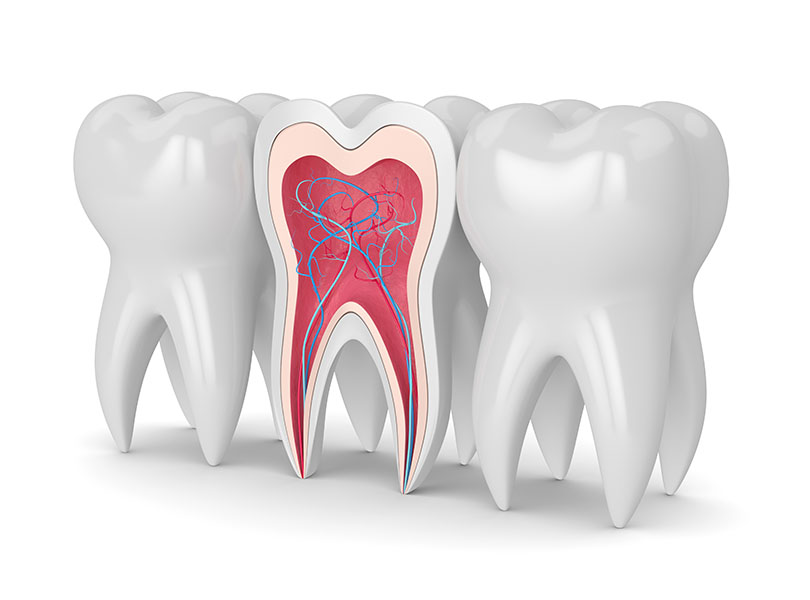
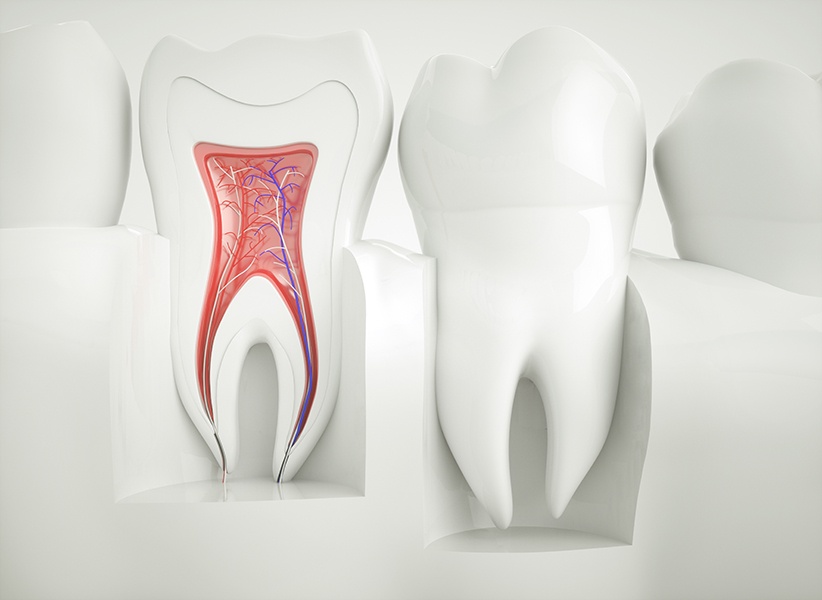
A root canal is a procedure that treats infection or damage inside a tooth. Deep inside every tooth is a soft tissue called the pulp, which contains nerves and blood vessels. When the pulp becomes infected — from deep decay, a crack, repeated dental work, or trauma — it can cause severe pain, swelling, and even an abscess if left untreated.
During root canal therapy, the infected pulp is carefully removed, the inside of the tooth is cleaned and disinfected, and the space is sealed to prevent future infection. A dental crown is then placed to restore the tooth’s full strength. The result is a tooth that looks, feels, and functions like a natural tooth — often for the rest of your life.
Root canal therapy preserves your tooth instead of extracting it, maintaining your natural bite, jawbone health, and smile.
Modern anesthesia and rotary instruments make root canals as comfortable as getting a filling. The procedure relieves pain — it does not cause it.
Digital imaging and rotary endodontics allow for more precise, efficient, and comfortable treatment with faster recovery.
Treating the infected tooth stops bacteria from spreading to surrounding teeth, gums, and bone, protecting your overall oral health.
Your Root Canal Treatment Options
Not every root canal case is the same. The right approach depends on the tooth, the extent of the infection, and whether previous treatment has been done. We offer several endodontic treatments to address different situations.
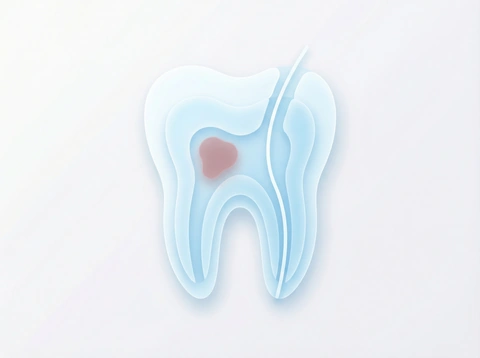
Standard Root Canal
The most common endodontic procedure. The infected pulp is removed, the canals are cleaned, shaped, and disinfected, then filled with a biocompatible material and sealed. A crown is placed afterward to protect the treated tooth.
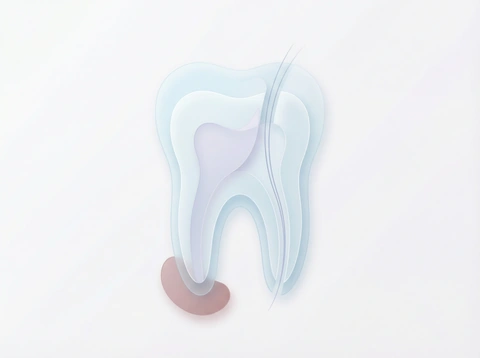
Retreatment
In rare cases, a previously treated tooth may not heal as expected or develop a new infection. Retreatment involves reopening the tooth, removing the original filling material, re-cleaning and re-sealing the canals. Most retreated teeth can be saved successfully.
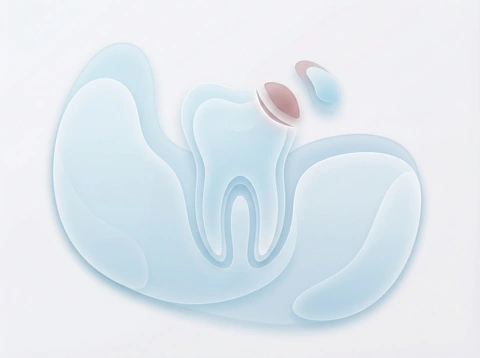
Apicoectomy
A minor surgical procedure performed when infection persists at the tip of the root after a standard root canal. The infected tissue and the very tip of the root are removed and sealed. Apicoectomy is a last step to save a tooth before extraction is considered.
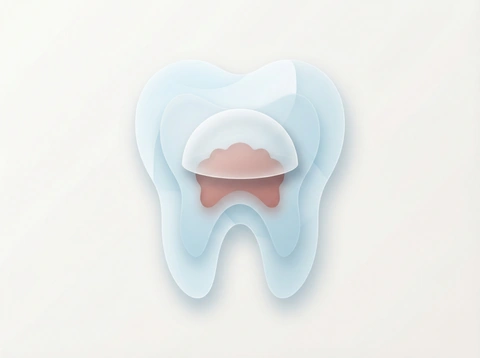
Pulp Therapy
When the pulp is inflamed but not yet fully infected, pulp therapy removes only the damaged portion while preserving healthy tissue. This more conservative approach works best when decay or injury is caught early, before the infection reaches the full root system.
Signs You May Need a Root Canal
Some symptoms point clearly to an infected tooth, while others are more subtle. If you are experiencing any of the following, scheduling an exam sooner rather than later can prevent the problem from getting worse.
Not all infected teeth cause pain. Sometimes the nerve dies quietly and the infection spreads without obvious symptoms. Regular exams with digital X-rays catch these hidden problems early — before they become emergencies.
Your Root Canal Journey at myDental
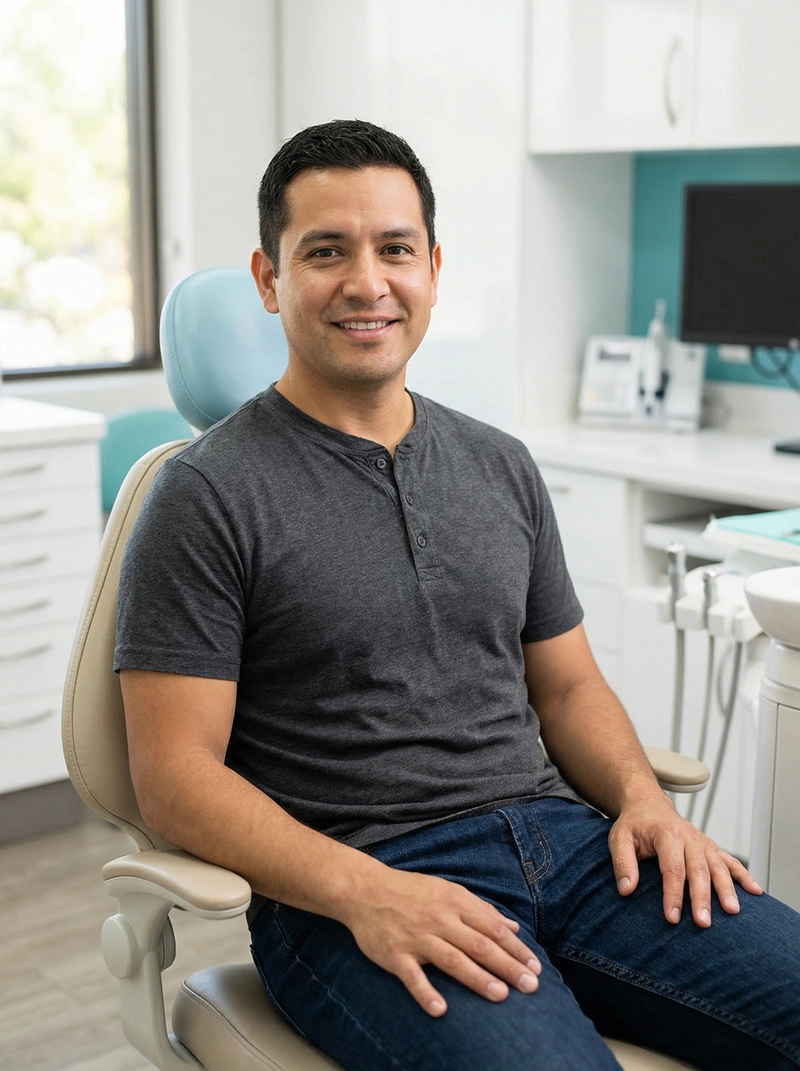
A root canal is a routine procedure that is usually completed in a single visit. Here is what to expect from start to finish.
Exam & Diagnosis
We take digital X-rays to evaluate the tooth and determine the extent of the infection. We explain what we find, discuss your treatment options, and answer any questions. You receive a clear treatment plan with pricing before we proceed.
Numbing & Comfort
The tooth and surrounding area are completely numbed with local anesthesia. Sedation options like nitrous oxide or oral sedation are available for patients who feel nervous. You will not feel pain during the procedure.
Root Canal Treatment
A small opening is made in the top of the tooth. Using rotary endodontic instruments, we carefully remove the infected pulp, clean and shape each canal, and disinfect the space. The canals are then filled with a biocompatible material and sealed to prevent re-infection.
Crown Placement
After a root canal, the treated tooth needs a dental crown to restore its full strength and protect it from future damage. In many cases, we can begin the crown process the same day. You leave with a protected tooth and a clear aftercare plan.
Why Choose Root Canal Treatment at myDental?
A root canal does more than stop the pain — it saves your natural tooth and prevents a chain of more complex dental problems down the line. Here is why patients choose myDental for their endodontic care.
Keep Your Natural Tooth
Nothing functions quite like your own tooth. A root canal lets you keep it, avoiding the need for an implant, bridge, or denture to fill the gap.
Virtually Painless
Modern anesthesia and techniques make root canals no more uncomfortable than a filling. Sedation is available for added relaxation. The procedure relieves pain — it does not cause it.
Stop Infection from Spreading
Untreated tooth infections can spread to surrounding teeth, gums, and bone — even entering the bloodstream. A root canal eliminates the infection at its source.
Advanced Technology
Digital X-rays and rotary endodontic instruments allow for more precise, efficient treatment with faster healing and better outcomes.
Natural-Looking Results
After your root canal, a custom crown is placed to restore the tooth’s appearance. The result looks and feels completely natural.
Affordable Care
Root canals are typically covered by dental insurance. We also offer flexible financing and our myDental Plan for patients without coverage.
What Our Patients Say About Root Canal Treatment
Rated 4.8/5,890+ patient reviews across all locations.
“Found an infection the previous dentist missed for 13 years - customer service is 10/10”
Google Review
“Painless root canal from Dr. Bata - gentle, reassuring, and over before you know it”
Google Review
“2-3 hours for a root canal - Dr. Batta and Anna made it far less scary than expected”
Google Review
“Root canal with Dr. Lee and Uriel - both gentle and informative throughout the procedure.”
Google Review
“Days of hating the dentist are officially over - painless root canal and the most comfortable cleaning ever”
Google Review
“Needed a root canal -- they made it feel like home, even handing over the Netflix remote”
Google Review
“Anxiety patient needed a root canal and the team gave breaks, Netflix, and positive encouragement through 3 visits.”
Google Review
“Four crowns and a root canal done at the same time with zero discomfort. Dr. T and Gabby made me feel safe.”
Google Review
“Root canal turned extraction -- Dr. Iqbal and Druvil made it completely painless”
Google Review
“Needed a root canal and dreaded it. Heavenly kept me comfortable, and the permanent crown fits perfectly.”
Google Review
“Front tooth fracture to permanent crown installed in less than a week -- turnaround was so much faster than expected!”
Google Review
“Root canal and temporary crown completed in just one day. Gabby was outstanding and Dr. T is an absolute rock star!”
Google Review
How Much Does a Root Canal Cost?
Root canal cost depends on the tooth being treated. Front teeth (incisors and canines) are typically less expensive because they have one canal, while molars cost more due to multiple canals and greater complexity. The cost also includes a follow-up crown to protect the treated tooth. During your consultation, we provide a detailed breakdown so you know exactly what to expect — no surprises.
Insurance
We accept most PPO dental insurance plans. Root canals are classified as endodontic treatment and are typically well-covered.
Find out more →Flexible Financing
Split your treatment into easy monthly payments. Apply in minutes.
Ask About Financing →myDental Care Plan
In-house membership plan with discounts on all treatments. No insurance needed.
Learn About the Plan →Your Root Canal Questions, Answered
Don’t see your question? Contact us — we’re happy to help.
Modern root canals are virtually painless. The tooth is completely numbed before the procedure, and most patients say it feels similar to getting a filling. The root canal actually relieves the pain caused by the infection. Sedation options are available for patients who feel nervous about dental work.
Cost depends on the tooth being treated — front teeth with one canal are less expensive than molars with multiple canals. Your total cost includes the root canal procedure plus a crown to protect the tooth afterward. We provide transparent pricing during your consultation. We accept most PPO insurance plans, offer flexible financing, and our myDental Plan provides discounts for patients without insurance.
Common signs include a severe or persistent toothache, prolonged sensitivity to hot or cold, darkening of a tooth, swelling in the gums near a tooth, and a recurring bump on the gums. Some infected teeth have no obvious symptoms, which is why regular exams with X-rays are important for catching problems early.
Saving your natural tooth is almost always the preferred option. Your own tooth provides better chewing function, maintains jawbone health, and prevents neighboring teeth from shifting. Extraction leads to the need for a replacement like a dental implant, bridge, or denture, which adds cost and complexity. We recommend extraction only when a tooth truly cannot be saved.
Most root canals are completed in a single visit lasting 60 to 90 minutes. Molars with multiple canals may take slightly longer. After the root canal, you will need a follow-up appointment to have a permanent crown placed, which protects and restores the treated tooth.
Most dental insurance plans cover root canal therapy because it is a necessary procedure to save a damaged tooth. Coverage percentages vary by plan. Our team verifies your benefits and explains your out-of-pocket costs before treatment begins. We also offer flexible financing and the myDental Plan.
After the procedure, you may experience mild tenderness for a few days, which can be managed with over-the-counter pain relievers. You can return to normal activities the same day. We schedule a follow-up visit to place a permanent crown to restore the tooth’s full strength and appearance. With proper care, a root canal treated tooth can last a lifetime.
Explore Related Dental Services
Ready to Save Your Tooth?
A toothache should never be ignored. The sooner you address the problem, the better the outcome. Our experienced teams provide comfortable, modern root canal therapy at convenient Texas locations. Schedule your consultation today — we are here to help you feel better, not to judge.
 English
 Spanish