Periodontics — Healthy Gums for a Stronger Smile
Your gums are the foundation of your smile. When gum disease takes hold, it can lead to bleeding, recession, bone loss, and eventually tooth loss — but it does not have to get to that point. At myDental, our periodontal team provides expert care to treat gum disease at every stage and help you keep your natural teeth for life.
What Is Periodontics?
Periodontics is the branch of dentistry focused on the health of your gums and the structures that support your teeth. Gum disease — also known as periodontal disease — begins when bacteria in plaque irritate and inflame your gum tissue. In its early stage (gingivitis), the damage is reversible. But when left untreated, it progresses to periodontitis, where bacteria spread below the gumline and destroy the bone and tissue that hold your teeth in place.
Gum disease is the leading cause of adult tooth loss, and research has linked it to serious health conditions including heart disease and diabetes. The good news is that gum disease is treatable at every stage. At myDental, we use advanced techniques including laser therapy and bone regeneration to stop the disease, restore your gum health, and protect your smile for the long term.
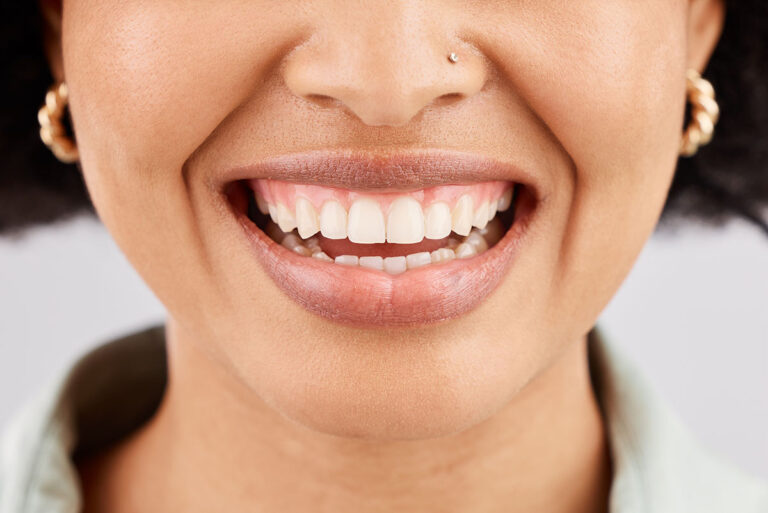
Healthy gums are the foundation of a strong smile. Periodontal treatment targets the bacteria and inflammation that threaten your gum tissue.
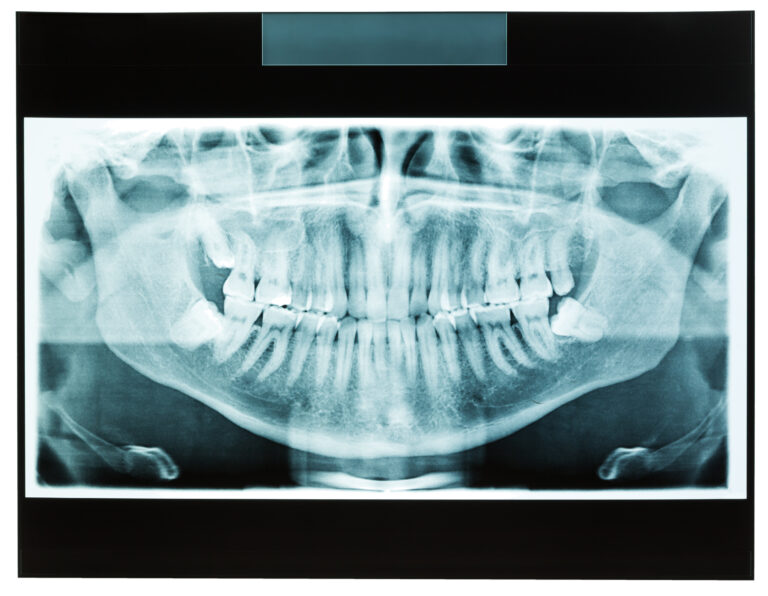
Advanced gum disease destroys the bone supporting your teeth. Periodontal care stops bone loss and can help regenerate what has been lost.
Laser gum treatment targets diseased tissue with precision while preserving healthy gums — less discomfort, faster healing, and excellent results.
With timely treatment, most patients can keep their natural teeth. Periodontics focuses on saving what you have rather than replacing what is lost.
Your Periodontal Treatment Options
The right treatment depends on the stage and severity of your gum disease. During your consultation, we evaluate your gum health, measure pocket depths, and review X-rays to recommend the most effective approach for your situation.
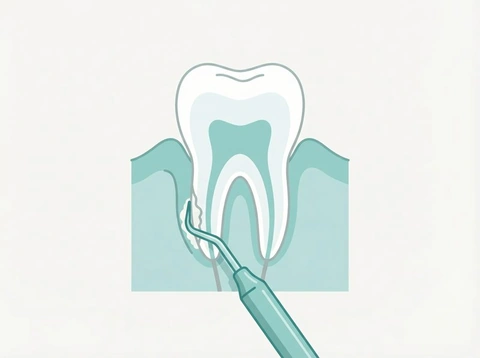
Scaling & Root Planing
The first line of treatment for gum disease. Your hygienist cleans below the gumline to remove bacteria, plaque, and tartar from the tooth roots. Smoothing the root surfaces helps your gums heal and reattach to your teeth.
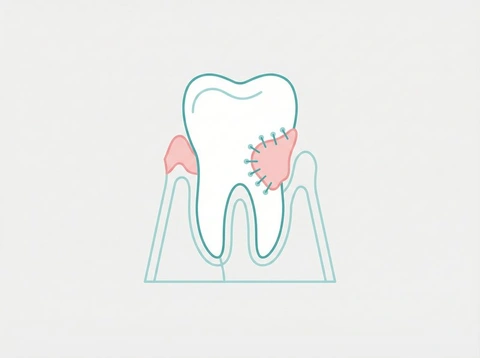
Gum Grafting
When gum recession exposes tooth roots, a gum graft restores lost tissue and protects the vulnerable root surface. Grafting reduces sensitivity, improves appearance, and prevents further recession and bone loss.
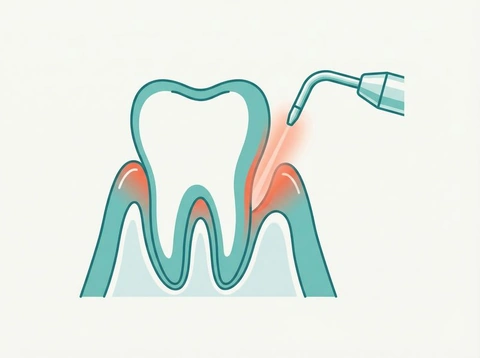
Laser Gum Therapy
A minimally invasive alternative to traditional gum surgery. Laser technology precisely targets and removes diseased tissue while preserving healthy gums. Patients experience less discomfort, less bleeding, and faster recovery.
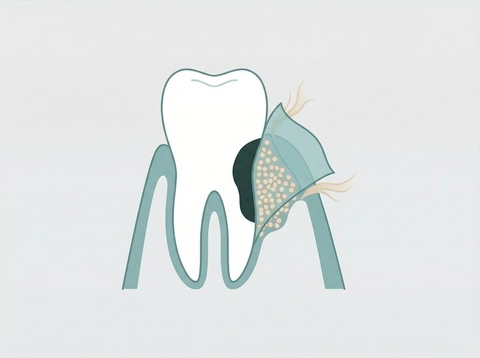
Bone Regeneration
When periodontitis has caused significant bone loss around your teeth, bone grafting and regenerative procedures help rebuild the support structure. This can save teeth that might otherwise need extraction.
Signs You May Have Gum Disease
Gum disease often develops gradually and can progress without obvious pain. Many patients do not realize they have it until a dental exam reveals the damage. Here are warning signs that should not be ignored.
If any of these sound familiar, do not wait. Early treatment is simpler, more affordable, and more effective. Schedule a periodontal evaluation and let our team help you get your gum health back on track.

Your Periodontal Treatment Journey at myDental
We understand that a gum disease diagnosis can feel overwhelming. Our team walks you through every step so you know exactly what to expect and feel confident in your treatment plan.
Comprehensive Periodontal Evaluation
We measure the depth of the gum pockets around each tooth, take digital X-rays to assess bone levels, and evaluate your gum tissue for signs of inflammation and recession. This gives us a complete picture of your periodontal health.
Personalized Treatment Plan
Based on your evaluation, we explain the stage of your gum disease and recommend the most appropriate treatment — whether that is scaling and root planing, laser therapy, grafting, or a combination. We provide transparent pricing and discuss your insurance and financing options.
Active Treatment
Your treatment is performed with local anesthesia for your comfort. Scaling and root planing is typically completed in one to two visits. Surgical procedures like gum grafting or bone regeneration may require a separate appointment. We offer sedation options for patients who feel anxious.
Healing & Follow-Up
After treatment, your gums need time to heal and reattach. We schedule a follow-up visit in four to six weeks to check your progress, measure pocket depths again, and confirm that your gums are responding well.
Ongoing Periodontal Maintenance
Gum disease can come back without consistent care. We recommend periodontal maintenance cleanings every three to four months to keep bacteria under control and protect your results long-term. These visits replace your standard six-month cleanings.
Why Choose Periodontics at myDental?
Treating gum disease is about more than your mouth — it is about protecting your overall health and keeping your natural teeth. Here is what periodontal care does for you.
Keep Your Natural Teeth
Gum disease is the leading cause of adult tooth loss. Periodontal treatment stops the damage and helps you keep the teeth you have — avoiding implants, bridges, or dentures.
Protect Your Heart Health
Research links gum disease to an increased risk of heart disease and stroke. Treating periodontal infection reduces harmful bacteria that can enter your bloodstream and affect your cardiovascular system.
Stop Bone Loss
Periodontitis destroys the bone that holds your teeth in place. Treatment halts this bone loss, and regenerative procedures can help rebuild what has been lost.
Fresher Breath
Chronic bad breath is often caused by bacteria hiding in deep gum pockets. Periodontal treatment eliminates these bacteria at the source, giving you noticeably fresher breath.
Better Diabetes Management
Gum disease and diabetes have a two-way relationship. Treating periodontal infection can improve blood sugar control, and managing diabetes helps protect your gums.
Minimally Invasive Options
Laser gum therapy and modern techniques mean less discomfort, less bleeding, and faster recovery compared to traditional gum surgery. Many patients return to normal activities the next day.
What Our Patients Say About Periodontal Care
Rated 4.8/5,890+ patient reviews across all locations.
“Root canal so comfortable I nearly fell asleep. Transparent pricing even with bottom-tier insurance.”
Google Review
“Only a masochist loves going to the dentist, but this staff made it painless and efficient.”
Google Review
“Lauren, Dr. Gulati, and Karla are quick and efficient but take time to explain everything clearly.”
Google Review
“Insurance is weird but they zeroed out the cost, and Dr. Gulati was kind with a great comfort menu.”
Google Review
“Most painless dental visit ever - hygienist walked through every step, easing generalized anxiety”
Google Review
“Dr. Doleski and Brenna were a dynamic duo -- even checked insurance before fluoride”
Google Review
“Top-tier dental care for years. Denise, Dr. Ton, and Cassandra make every visit phenomenal.”
Google Review
“Amazing atmosphere, kindness, and compassion for kids - don't walk, run to this office”
Google Review
“Every single staff member was courteous, polite, and extremely welcoming. Everyone made me feel comfortable.”
Google Review
“Whole team impressed with their efficiency, skill, and a nearly painless procedure - 10/10”
Google Review
“Took us on very short notice on a Saturday - compassionate, patient, and a beautiful clean office.”
Google Review
“Veronica es una increíble persona que te ayuda en todo, es muy atenta y detallista en todo lo que hace.”
Google Review
How Much Does Periodontal Treatment Cost?
The cost of periodontal treatment depends on the severity of your gum disease and the type of treatment needed. Scaling and root planing is typically the most affordable option, while surgical procedures like gum grafting or bone regeneration involve higher costs. During your consultation, we provide a detailed treatment plan with transparent pricing — no hidden fees, no surprises.
Flexible Financing
Split your treatment into easy monthly payments. Apply in minutes.
Ask About Financing →myDental Care Plan
In-house membership plan with discounts on all treatments. No insurance needed.
Learn About the Plan →Your Periodontics Questions, Answered
Don’t see your question? Contact us — we’re happy to help.
Common signs include bleeding gums when brushing or flossing, red or swollen gums, persistent bad breath, gum recession (teeth appearing longer), loose teeth, and pain when chewing. Gum disease can progress without obvious symptoms, which is why regular dental checkups are essential for early detection.
Gum disease progresses through two main stages. Gingivitis is the early stage, characterized by red, swollen, and bleeding gums. It is reversible with professional cleaning and improved home care. Periodontitis is the advanced stage, where bacteria spread below the gumline and destroy the bone and tissue that hold your teeth in place. Without treatment, periodontitis can lead to tooth loss. The earlier gum disease is caught, the simpler and more effective treatment will be.
Scaling and root planing is performed under local anesthesia, so you should not feel pain during the procedure. You may experience mild soreness and sensitivity for a few days afterward, which is typically managed with over-the-counter pain medication. Most patients describe the procedure as more comfortable than they expected. Sedation options are also available if you feel anxious.
The cost depends on the severity of your gum disease and the type of treatment needed. Scaling and root planing is less expensive than surgical procedures like gum grafting or bone regeneration. During your consultation, we provide a transparent treatment plan with all costs outlined upfront. We accept most PPO insurance plans, offer flexible financing, and our myDental Care Plan provides discounts for patients without insurance.
Most PPO dental insurance plans cover periodontal treatments including scaling and root planing, periodontal maintenance visits, and some surgical procedures. Coverage varies by plan and the specific treatment needed. Our team verifies your benefits and helps you understand your out-of-pocket costs before treatment begins. Learn more about insurance at myDental.
The best prevention is a combination of good home care and regular dental visits. Brush twice daily with fluoride toothpaste, floss every day, and visit your dentist every six months for professional cleanings and exams. Avoiding tobacco, managing diabetes, and eating a balanced diet also reduce your risk. If you notice bleeding gums or other warning signs, schedule an appointment right away.
Treatment timelines vary based on the severity of gum disease. Scaling and root planing is typically completed in one to two visits. After treatment, a healing period of four to six weeks is common before a follow-up evaluation. Surgical procedures like gum grafting require additional healing time. Once gum disease is under control, periodontal maintenance visits every three to four months help prevent recurrence.
myDental offers periodontal care at multiple convenient Texas locations. Visit our locations page to find the office nearest you and schedule your periodontal consultation today.

Explore Related Dental Services
Ready to Take Control of Your Gum Health?
Whether you are dealing with bleeding gums, have been diagnosed with gum disease, or want a second opinion, our periodontal team is here to help. With convenient Texas locations, experienced dental professionals, and flexible payment options, getting the care you need has never been easier. Schedule your evaluation today — the sooner you act, the more we can save.
 English
 Spanish