
Consejos de salud dental pediátrica para familias
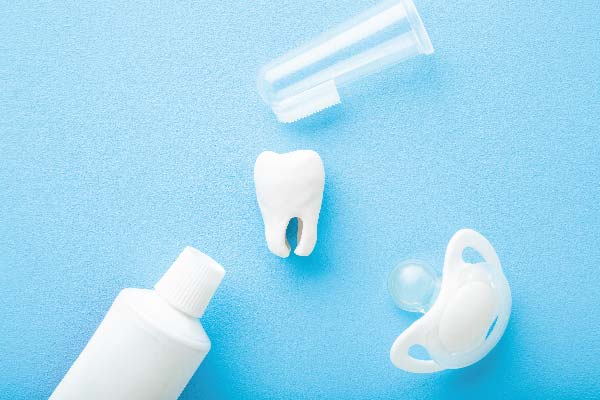
¿Tienes un bebé recién nacido y te preguntas qué deberías hacer para que tenga los dientes más sanos? ¿O quizás tienes un niño mayor o un niño pequeño y te das cuenta de que no tiene las mejores rutinas de higiene dental? ¿Por dónde empezar? Veamos con más detalle las recomendaciones.
¿Cuándo y cómo deben empezar a cepillarse los dientes los niños?
Aunque parezca increíble, el cuidado dental empieza incluso antes de que a tu bebé le salga un diente. Toma un paño húmedo y frótalo sobre las encías de tu bebé para eliminar cualquier bacteria y acostumbrarlo a la sensación.
Una vez que a su bebé le salgan los dientes, asegúrese de cepillarlos suavemente con un cepillo de dientes usando agua y un poquito (del tamaño de un grano de arroz) de pasta dental con flúor para limitar la cantidad que ingiere.
Su hijo debería aprender a escupir la pasta de dientes mientras se cepilla los dientes alrededor de los 2 años. Cuando note que dos dientes se tocan, asegúrese de empezar a usar hilo dental entre ellos.
Es fundamental que desarrolle una rutina de cepillado y uso de hilo dental con su hijo. En cuanto se sienta seguro de cepillarse los dientes, permítale cepillarse unos minutos y luego tómese su turno. Cuando esté seguro de que puede llegar solo a las zonas difíciles de alcanzar, podrá hacerlo solo.
¿Cuándo deben los niños acudir al dentista?
Aunque parezca increíble, la ADA recomienda que su hijo acuda al dentista por primera vez antes de su primer cumpleaños. En estas primeras visitas, el dentista puede educarlos a ustedes como padres, y posteriormente a su hijo, sobre técnicas saludables de cepillado y uso del hilo dental.
Cuando su hijo empieza a ir al dentista desde pequeño y de forma regular, el miedo puede disminuir considerablemente. Su dentista también podrá ayudarle a controlar la dentadura de su hijo desde el principio y a responder preguntas como la ortodoncia en el futuro.
¿Cómo puedo ayudar a mis hijos a prevenir las caries?
Sabemos que las caries se producen cuando dejamos comida o bebida en los dientes durante mucho tiempo sin limpiar. El esmalte dental se erosiona y se forma una caries. Aquí tienes algunas ideas para prevenir las caries:
- Comience a cepillar y usar hilo dental los dientes de su hijo a una edad temprana y sea constante.
- Limite los alimentos azucarados y pegajosos.
- Asegúrese de que su hijo reciba suficiente flúor en los dientes. Consulte con su dentista sobre cómo el flúor puede ayudar a fortalecer el esmalte dental.
Mientras espera una vida saludable y llena de vida para su hijo, asegúrese de que una rutina dental saludable forme parte de ella. Desarrollar hábitos dentales tempranos puede marcar una gran diferencia.
En myDental, nos comprometemos a brindarle a usted y a su familia atención dental segura y de calidad. Llame para programar su próxima cita. limpieza dental y examen en uno de nuestros convenientes ubicaciones. Estaremos encantados de responder cualquier pregunta que pueda tener sobre nuestros numerosos servicios dentales.
Preguntas frecuentes
La Asociación Dental Americana recomienda la primera visita al dentista del niño antes de su primer cumpleaños o dentro de los seis meses posteriores a la aparición del primer diente. Las visitas tempranas ayudan a identificar posibles problemas y a establecer buenos hábitos desde el principio. Estas primeras citas suelen ser rápidas y se centran en que el niño se sienta cómodo con el entorno dental.
Comience a limpiar las encías del bebé con un paño suave y húmedo antes de que le salgan los dientes y luego cambie a un cepillo de dientes pequeño de cerdas suaves una vez que salga el primer diente. Use una cantidad de pasta dental con flúor del tamaño de un grano de arroz para niños menores de tres años y una cantidad del tamaño de un guisante para niños de tres a seis años. Los niños deben cepillarse los dientes dos veces al día bajo la supervisión de un adulto hasta los siete u ocho años aproximadamente.
Los selladores dentales son un tratamiento preventivo altamente eficaz que reduce las caries en las muelas hasta en un 80 %. Son finas capas protectoras que se aplican a las superficies masticatorias de las muelas, donde las caries se desarrollan con mayor frecuencia. Su aplicación es rápida, indolora y puede proteger los dientes durante varios años.
La mayoría de los planes de seguro dental y muchos planes médicos cubren servicios dentales pediátricos, como exámenes, limpiezas, radiografías, tratamientos con flúor y selladores. Según la Ley de Atención Médica Asequible, la cobertura dental infantil se considera un beneficio de salud esencial. Muchos servicios preventivos infantiles están cubiertos al 100 % sin copago.
Comience las visitas al dentista temprano para que la experiencia se convierta en una rutina normal en lugar de algo desconocido y aterrador. Use un lenguaje positivo, evite palabras como "lastimado" o "disparo" y lea libros infantiles sobre la visita al dentista con anticipación. Un dentista puede evaluar el nivel de comodidad de su hijo y usar técnicas apropiadas para su edad para facilitar las visitas.
Artículos relacionados
Prevención de la caries dental: la importancia del tratamiento con flúor en niños
Publicado el 26 de diciembre de 2023
Explorando los selladores dentales: Lo que necesita saber
Publicado el 4 de julio de 2023
 English
 Spanish