How to Stop Grinding Your Teeth
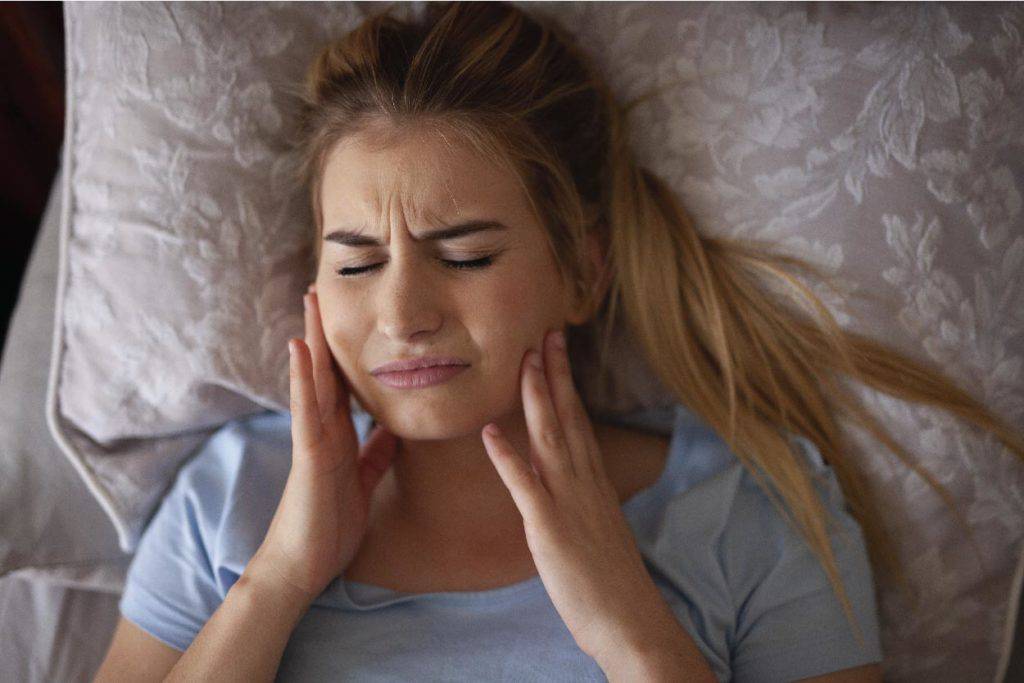
Bruxism (teeth grinding) is an involuntary grinding of your teeth most often during sleep. This forceful grinding can put up to 250 pounds of pressure on your teeth, which can lead to tooth, jaw neck and head pain as well as a variety of other long-term issues.
If you know you grind your teeth or suspect you do because of corresponding pain, it’s time to learn more about what you can do to relieve symptoms and prevent other possible problems.
What Are the Possible Side Effects If I Don’t Stop?
There are many possible side effects to grinding your teeth. Some occur quickly and others can bring about more serious long-term consequences down the road. Possible side effects may include:
- Headaches
- Jaw pain and possible TMJ (temporomandibular joint disorders)
- Neck pain
- Worn down teeth
- Cracked or damaged teeth
- Breakage of already existing dental work (filling and crowns)
How Do I Treat My Teeth Grinding?
Although there is no way to cure Bruxism, there are several ways to treat it depending on the cause.
- Medical / Dental Treatments ‘ There are different kinds of medical or dental therapies which include: mouthguards, medications and even Botox injections. These treatments can help relieve the pain as well as protect your teeth from further damage.
- Stress Reduction ‘ Stress can be a major contributor of teeth grinding for many people. Relaxation techniques can be an important part of everyday life for those who link stress with teeth grinding.
- Massage Therapy ‘ Many patients that grind their teeth have found that regular massages relieve head, neck and jaw pain. A massage therapist or physical therapist can teach you ways to relax the jaw and neck muscles at home too.
- Tongue and Jaw Exercises ‘ It’s important to do what you can to reduce pain and help expand the range of motion in your jaw. Exercises are an easy, at-home way to help. Your dentist or physical therapist can also help suggest exercises and stretches that can calm the tension and stress you are feeling in your muscles and joints.
When Should I See a Doctor?
If you are continuously experiencing mouth, jaw or neck pain from grinding your teeth, it’s time to talk with your dentist. Grinding your teeth can have serious consequences that can affect your oral health as well as your overall health. Because teeth grinding can interrupt your sleep as well as the sleep of your sleeping partner, it’s crucial that you make it a priority to seek help and find treatment.
Other conditions could be happening along with your teeth grinding like sleep apnea and gastroesophageal reflux that could also be aggravating your symptoms. Include your doctor or dentist as you work to treat the warning signs and symptoms you are experiencing.
At myDental, we are committed to providing your family with quality, safe and timely dental care. We would be happy to answer any questions you may have about the services we offer. If you need to schedule a dental cleaning and checkup, call to schedule an appointment at one of our convenient locations.
Frequently Asked Questions
Teeth grinding, also called bruxism, is most commonly caused by stress, anxiety, sleep disorders, or an abnormal bite alignment. It affects both adults and children, with higher rates among people who experience high stress levels or have sleep apnea. Caffeine and alcohol consumption can also increase grinding, especially at night.
Common symptoms include jaw pain or stiffness when waking up, frequent headaches, worn or flattened tooth surfaces, tooth sensitivity, and cracked or chipped teeth. Some people also experience earaches or tight facial muscles. Many people grind their teeth at night and are unaware until a dentist notices the wear patterns.
A custom-fitted night guard creates a protective barrier between the upper and lower teeth, preventing direct contact and reducing wear damage. It also helps relax the jaw muscles and can decrease morning jaw pain and headaches. Custom night guards from a dentist fit better and last longer than over-the-counter options. Schedule a consultation to discuss whether a night guard is right for you.
Many dental insurance plans cover custom night guards partially or fully, especially when bruxism is documented by a dentist. Coverage typically falls under major or preventive services depending on the plan. Without insurance, a custom night guard usually costs between $300 and $800, while over-the-counter guards cost $15 to $50.
Untreated teeth grinding can lead to cracked or fractured teeth, severe enamel wear, TMJ (jaw joint) disorders, and chronic headaches. Over time, the damage may require expensive restorations such as crowns, root canals, or even tooth extraction. Early treatment helps prevent these complications and protects long-term dental health.
 English
 Spanish