
How Oral Health Affects Cardiovascular Risk
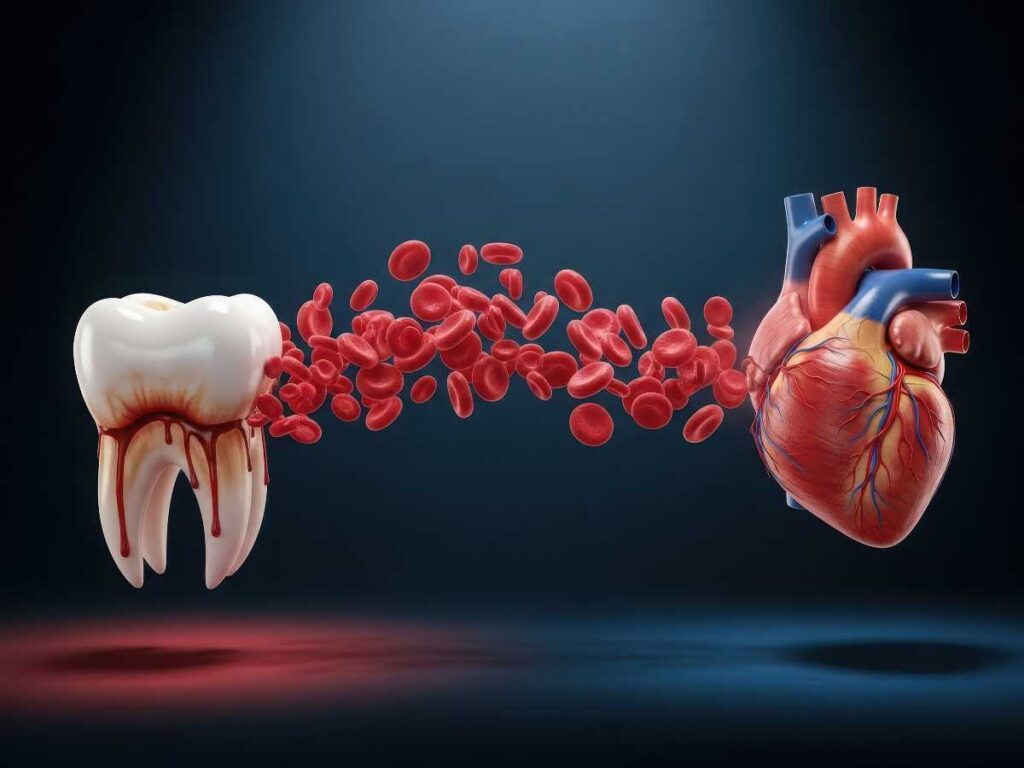
While most patients only think about gum disease as a dental problem, research shows that your gum health has a direct connection with your heart health. This link is more than just a theory: mainstream medical research continues to look at the way gum health affects overall health, and it’s clear that having an untreated gum infection can affect your heart…which is why dentists take these issues very seriously.
The Mouth-Heart Connection
Why are gum disease and heart risk connected? It’s important to think about the mouth not as an isolated system, but as the main gateway to your bloodstream. What happens in your mouth can cause a domino effect of issues throughout the body.
With chronic gum disease, there are one or more ongoing open wounds along your gumline. These sores are a place where bacteria can have direct access to your cardiovascular system. The longer gum infections go untreated, the higher your risk of heart disease.
The link between gum disease and heart risk is recognized by both dental and cardiology experts, making it a clinical concern across the board. Researchers have found that when patients have moderate to severe periodontal disease, they also have higher rates of heart disease, heart attack, and stroke.
How Bacteria Enter the Bloodstream
When the gums are inflamed and infected, bacterial entry into the bloodstream occurs. The gum tissue breaks down because of the infection, which removes the barrier between the gums and teeth. P. gingivalis is one of the primary drivers of periodontal disease, and doctors have also found it in arterial plaque in cardiovascular patients.
For example, when a patient has gum disease, and they chew or brush, the bacteria can be pushed through the wounds and into circulation. Then, this bacteria travels through the circulatory system to reach the heart and major blood vessels.
This bacterial burden can take a toll on the heart, and it can also affect blood vessels in the brain, which is why the risk of stroke also goes up when someone has untreated gum disease.
Systemic Inflammation: The Shared Mechanism
Another issue with gum disease is that it contributes to systemic inflammation, which can also increase the risk of heart disease and stroke. If the immune system is constantly responding to a chronic oral infection, then inflammatory markers are released through the whole body.
C-Reactive protein rises in response to the inflammation, and if you have elevated CRP levels, then it means that you have a risk factor for cardiovascular disease. Doctors have found that many patients with untreated periodontal disease often have higher CRP levels compared to patients with healthy gums.
It’s also possible that this relationship could be happening in reverse: if you have a chronic health issue (such as heart disease or diabetes), then it could increase your risk of gum disease. It really is a chicken-or-the-egg situation, and can become a difficult cycle to break.
What the Research Shows About Gum Disease and Cardiovascular Risk
There have been large-scale studies completed to look at the association between periodontal disease and stroke, heart disease, and diabetes. Some of the findings suggest that the risk is much higher in patients with gum disease.
We have enough data now to show the connection. Additionally, heart surgeons have found P. gingivalis in coronary artery plaque, which proves the theory.
When it comes to these types of studies, researchers are always working to distinguish between association and direct causation. The determination at this point is that gum disease is a risk factor for heart disease, but not a guaranteed cause. Researchers will continue looking at this connection to discover more information that can be used to optimize patient diagnosis and treatment plans.
What The Gum Disease Heart Risk Connection Means for Your Dental Visits
Routine dental care is more than just protecting your smile: these checkups and cleanings are an essential part of managing your overall health. Yes, we are keeping your teeth clean, but these checkups are also an opportunity for our dental team to identify any potential dental issues that need to be addressed, such as gum disease and tooth decay.
You want a heart-healthy smile, and that starts with controlling gum inflammation with professional dental cleanings. Also, taking care of early signs of gum disease is essential so that you can stop the infection before it progresses.
Patients with a history of heart disease, stroke, or diabetes especially need to stay consistent with their dental checkups. When there are overlapping risk factors, your dentist can work hand-in-hand with your other physicians to protect your health and avoid bigger complications in the future.
Practical Steps Toward a Heart-Healthy Smile
The biggest factor that can protect you against periodontal disease, stroke, or heart disease is maintaining healthy dental habits on a daily basis. Here are some of the things that we recommend to reduce your risk of gum disease and also protect your overall health at the same time:
- Brushing and Flossing: Brushing twice a day and flossing once a day will disrupt the bacterial biofilm in your mouth, helping to prevent P. gingivalis from growing.
- Professional Cleanings: Schedule professional dental cleanings twice a year to remove the hardened tartar near the gumline. Even if you are consistent with brushing and flossing, buildup can still occur in the hard-to-reach areas.
- Early Warning Signs: If you notice any early warning signs of gum disease, then call our dental office right away. Common signs include bleeding gums, persistent bad breath, gum inflammation, or receding gum tissue.
- Healthy Lifestyle: Other things that you can do are manage your blood sugar, avoid smoking, and stay hydrated. These lifestyle factors help to reduce systemic inflammation.
Schedule a Checkup for a Heart-Healthy Smile
The research is clear: the relationship between oral health and cardiovascular risk is a strong reason to maintain consistency with your dental care plan. If you need periodontics or other dental services, then contact our office to book your appointment. Protecting your gums is one of the simplest things that you can do to protect your heart.
myDental offers family-focused dental care. Book an appointment at a location near you. We offer modern dental services to protect your smile and minimize the risk of complications from untreated disease. Call our office for more information about available services.
FAQs
Does treating gum disease actually reduce heart disease risk?
Researchers have found that treating periodontal disease can lower CRP levels, which can reduce the risk of cardiovascular disease.
How do I know if I have gum disease?
Some of the most common signs of gum disease include bleeding gums, persistent bad breath, swollen gums, or receding gums. If you have any of these symptoms, then schedule a dental appointment as soon as possible.
Should I tell my dentist about my heart condition?
Yes, tell your dentist if you have any concerns about your cardiovascular history. This information can be informative to plan the ideal dental treatments for your individual needs.
 English
 Spanish