Why You’re Still Getting Cavities Even with Consistent Brushing
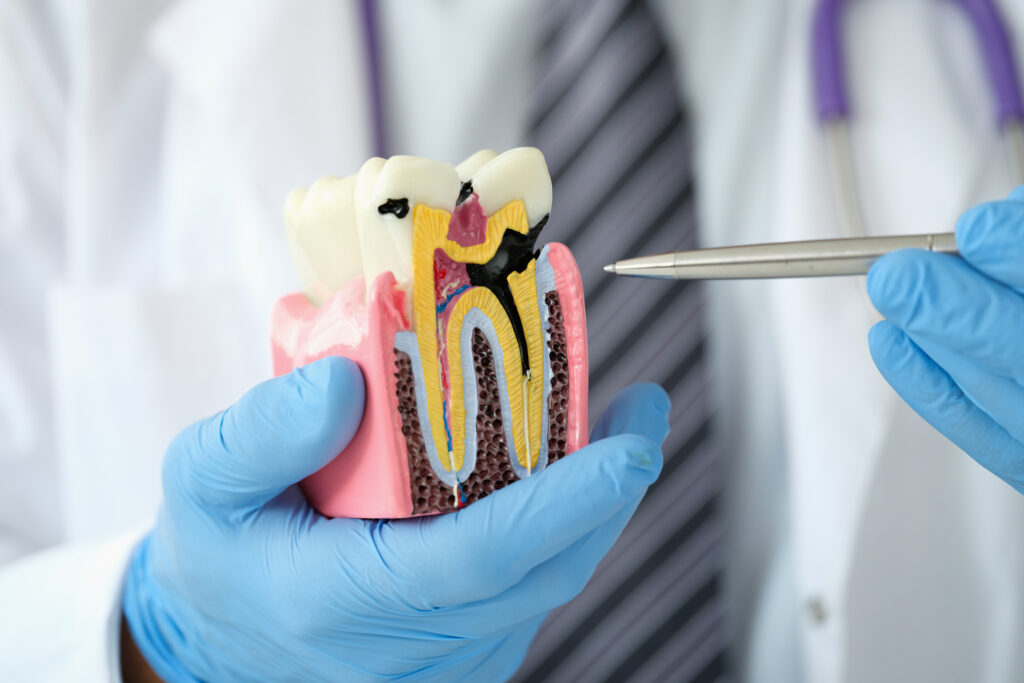
You want to protect your teeth, so you are proactive about brushing twice a day, flossing, and maybe even adjusting your diet. So, why do you keep getting cavities that need to be filled?
The truth is that there are different factors that have nothing to do with your brushing habits. These things could tip the conditions to make you more prone to tooth decay. The best approach is to consult with your dentist to find the optimal combination of in-office treatments and at-home habits so that you can maintain a healthy smile that lasts a lifetime.
Why Do I Keep Getting Cavities? Brushing Is Only Part of the Equation
Brushing your teeth is beneficial for cavity prevention because it helps to get rid of acid that causes demineralization and can erode the enamel (making the teeth more prone to decay). Even though brushing can be helpful, it doesn’t neutralize all of the sources of the decay-causing acid.
There are other lifestyle factors that can affect the pH balance in your mouth, such as the chemistry of your saliva, mouth breathing, and even your diet. All of these factors work together and play important roles in protecting your teeth.
So, if you are asking why do I keep getting cavities, it’s important to understand your unique mouth and how your oral hygiene habits are helping or hurting your dental health.
The Role of Saliva in Cavity Prevention
Saliva is naturally flowing all the time, acting as a natural defense for your mouth. Your saliva is always working behind the scenes to neutralize acid, wash away bacteria, and deliver the materials that are needed for early repair of enamel damage.
If you have acidic saliva, then it means that your pH is lower and contributing to demineralization. The good news is that there are things that you can do to adjust your saliva acidity, including avoiding acidic foods and drinks, careful selection of medications, and treating other underlying causes such as acid reflux and stress.
The quality of your saliva is also one of the dry mouth causes that might need to be addressed. For example, your saliva production could be negatively impacted by antihistamines, antidepressants, blood pressure medications, and autoimmune conditions. When the saliva flow slows down, then you might have a higher risk of cavities. So, it’s critical to address the underlying issues through preventive dental care in order to maintain a healthy smile.
The 30-Minute Rule After Acidic Foods
One of the simplest lifestyle habits that you can integrate into your daily routine is to implement the 30-minute rule. Here’s how it works:
- After you eat or drink something acidic, the enamel is temporarily softened.
- When you are done eating these acidic foods, you should rinse your mouth immediately with water. Then, wait for at least 30 minutes before brushing.
- This 30-minute rule gives the saliva time to begin remineralizing the enamel surface before you brush. If you brush too soon, then it could scrub away the weakened enamel.
Mouth Breathing and Your Cavity Risk
Mouth breathing can have a negative impact on your oral health because it causes the oral environment to dry out, which reduces saliva’s protective effects. In fact, the effects of mouth breathing are well-documented: patients who breathe through their mouths have a higher risk of dental complications, such as cavities. A healthy mouth needs adequate moisture from saliva to wash away bacteria and acid so that they don’t linger on the tooth surfaces.
In order to stop mouth breathing, you need to identify the underlying cause. Some of the most common reasons why patients breathe through their mouths include:
- Nasal congestion
- Allergies
- Sleep habits
- Structural issues
Pay attention in the morning: if you wake up with a dry mouth or bad breath, then you are likely breathing through your mouth while sleeping. A few simple adjustments to your sleep habits might help to stop this trend, such as using nasal strips, allergy treatments, or hydrating better throughout the day.
Does a Sugar-Free Diet Guarantee Protection?
One common misconception that needs to be addressed is that a sugar-free diet is the best way to prevent cavities. While reducing sugar consumption can help to improve dental health and overall health at the same time, there are also other factors that need to be addressed for cavity prevention.
Even if you aren’t eating sugary foods, there are other acidic foods that could be taking a toll on your dental health, such as citrus foods, vinegar-based dressings, kombucha, and sparkling water.
Also, your eating frequency matters as much as the ingredients that you are consuming. If you are snacking throughout the day, then it will keep your mouth in an acidic state, which can increase the risk of cavities. It’s better to eat at specific times during the day, then rinse and brush after eating.
If you have a sweet tooth, consider Xylitol benefits for satisfying your cravings and protecting your oral health at the same time. Xylitol is a natural sweetener that cannot be metabolized by cavity-causing bacteria, which helps to reduce acid production in your mouth. Consider using gum, mints, and/or toothpaste that are sweetened with Xylitol instead of other sugar-based ingredients.
Expert Dental Advice to Reduce Your Risk of Cavities
With the right approach, you can avoid cavities and protect your smile through preventive and restorative dentistry. Our professional team at myDental is here to help you better understand your personal risk factors and how you can make lifestyle adjustments to reduce the risk of cavities.
For more information about available dental services, book an appointment at a location near you, or call our office at your convenience.
Frequently Asked Questions
Yes, certain medications have a side effect of dry mouth, which means that they can increase the risk of cavities. These medications include antihistamines, antidepressants, and blood pressure drugs.
Even when you are drinking plain sparkling water without flavors or additives, it is still slightly acidic. So, drinking it throughout the day could increase the risk of demineralization over time. If you want to drink sparkling water, then have it with meals instead of sipping it all day long.
Researchers have found that Xylitol can help to reduce cavity-causing bacteria when it is used consistently. For example, it can be helpful to chew Xylitol gum after a meal if you are unable to brush right away.
 English
 Spanish