TMJ Disorder Treatment — Relief for Jaw Pain and Discomfort
Jaw pain, clicking, headaches, and difficulty chewing can affect every part of your day. TMJ disorder treatment targets the source of your discomfort — so you can eat, speak, and sleep without pain holding you back.
What Is TMJ Disorder?
The temporomandibular joint (TMJ) is the hinge that connects your lower jaw to your skull, just in front of each ear. It is one of the most complex joints in your body — allowing you to open and close your mouth, chew, speak, and yawn. When something goes wrong with this joint or the muscles that control it, the result is temporomandibular disorder (TMD), commonly referred to as TMJ disorder.
TMJ disorder can cause a wide range of symptoms, from mild jaw stiffness to severe pain that radiates into your head, neck, and shoulders. Teeth grinding (bruxism), bite misalignment, stress-related clenching, and joint injury are among the most common triggers. The good news is that most cases respond well to conservative, non-surgical treatment — especially when caught early.
A custom-fitted night guard absorbs clenching and grinding forces while you sleep, protecting your teeth and reducing strain on the jaw joint.
Adjusting how your upper and lower teeth come together can relieve uneven pressure on the TMJ and reduce pain caused by a misaligned bite.
Guided jaw stretches and strengthening exercises help restore range of motion, relax tight muscles, and improve joint mobility over time.
For persistent cases that do not respond to conservative care, advanced options like joint injections or surgical referral may be recommended.
TMJ Treatment Options That Fit Your Needs
TMJ disorder is not one-size-fits-all, and neither is the treatment. We start with the least invasive approach and adjust based on how you respond. During your evaluation, we will recommend the combination of therapies that gives you the best path to lasting relief.
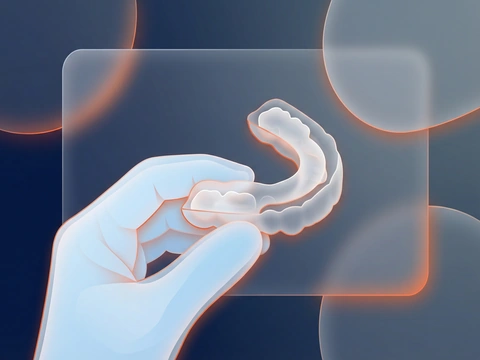
Custom Night Guards & Occlusal Splints
Custom-molded from impressions of your teeth, night guards and occlusal splints create a barrier between your upper and lower teeth to absorb clenching forces. An occlusal splint goes further by repositioning your jaw to reduce strain on the joint. Both are worn during sleep and can significantly reduce morning jaw pain, headaches, and tooth wear.
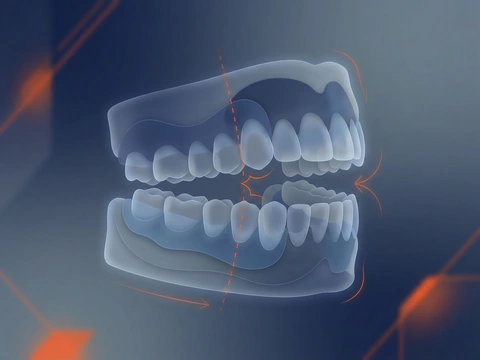
Bite Alignment Therapy
When your teeth do not come together properly, it creates uneven pressure on one or both TMJ joints. Bite alignment therapy uses careful adjustments — reshaping select tooth surfaces or using orthodontic techniques — to distribute biting forces evenly across your teeth and relieve chronic jaw strain.
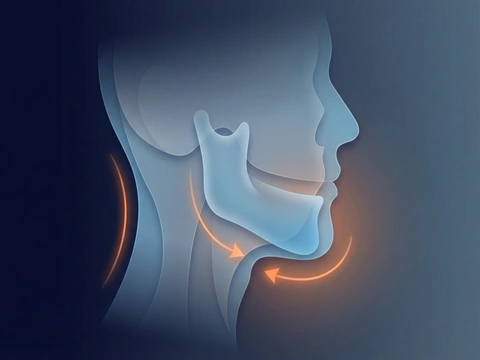
Jaw Physical Therapy & Exercises
Targeted jaw exercises and stretches help relax tight muscles, strengthen weak ones, and restore your full range of motion. We teach you techniques you can practice at home — including gentle stretching, controlled opening exercises, and posture corrections — to complement your in-office treatment and speed your recovery.
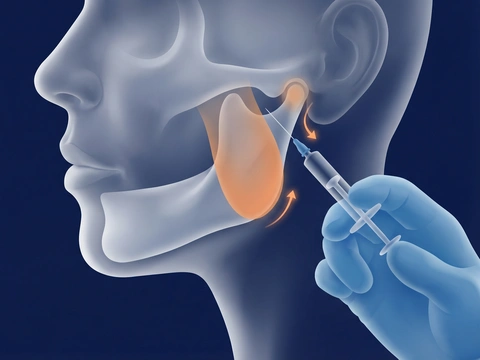
Botox for TMJ
Botox (botulinum toxin) injections target the overactive jaw muscles that contribute to clenching, grinding, and TMJ pain. Small doses are placed directly into the masseter or temporalis muscles to reduce their activity without affecting normal chewing or facial expression. Results typically begin within one to two weeks and can last three to four months, making Botox an effective option for patients who have not found enough relief from splints or exercises alone.
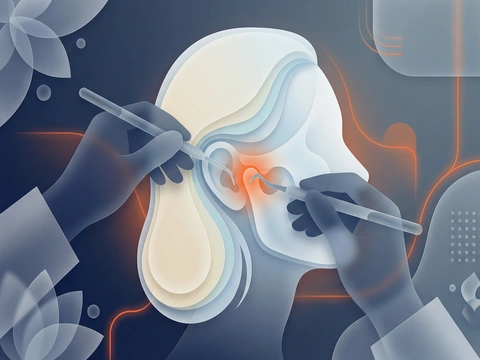
Advanced TMJ Intervention
For severe or persistent TMJ cases that do not improve with conservative therapies, advanced options are available. These may include trigger point injections, corticosteroid therapy, or referral to an oral surgeon for arthroscopy or joint repair. We exhaust conservative options first and involve specialists only when necessary.
Signs You May Have TMJ Disorder
TMJ disorder affects millions of adults, and many do not realize their symptoms are connected to their jaw joint. If any of the following sound familiar, a TMJ evaluation can help determine if treatment is right for you.
These symptoms can range from mildly annoying to seriously limiting. The sooner they are evaluated, the easier they are to treat. Schedule a consultation and let us help you find relief.

Your TMJ Treatment Journey at myDental
TMJ treatment is not a single appointment — it is a step-by-step process tailored to your specific symptoms and their underlying cause. Here is what a typical TMJ treatment journey looks like.
Comprehensive TMJ Evaluation
Your first visit includes a thorough examination of your jaw joint, bite alignment, and facial muscles. We take digital X-rays and, when needed, 3D imaging to visualize the joint structure. We will discuss your symptoms, medical history, and daily habits like clenching or posture to identify what is contributing to your discomfort.
Personalized Treatment Plan
Based on your evaluation, we develop a treatment plan targeting your specific triggers. For most patients, this starts with conservative therapies — a custom night guard or splint, jaw exercises, and lifestyle adjustments. We explain every option, walk you through costs and insurance coverage, and make sure you feel confident in your plan before we begin.
Appliance Fitting & Initial Therapy
If a night guard or occlusal splint is part of your plan, we take precise impressions of your teeth to craft a custom-fitted appliance. We also begin guided jaw therapy, teaching you exercises and stretches you can practice at home. If dental anxiety is a concern, sedation options are available for any in-office procedures.
Monitoring & Adjustment
TMJ treatment requires follow-up. We schedule check-ins to evaluate your progress, adjust your appliance if needed, and refine your therapy. Most patients notice meaningful improvement within a few weeks, with continued progress over the following months as muscle tension releases and joint function stabilizes.
Long-Term Management
Once your symptoms are under control, we shift to maintenance. This may include continued nighttime wear of your guard, periodic jaw exercise routines, and stress management strategies. Regular dental checkups help us catch any recurrence early and keep your jaw comfortable for the long term.
Why Choose TMJ Treatment at myDental?
Living with untreated jaw pain can affect your sleep, your diet, and your quality of life. Professional TMJ treatment addresses the root cause — not just the symptoms — so you can get back to feeling like yourself.
Lasting Pain Relief
Targeted treatment reduces jaw pain, facial tenderness, and ear discomfort by addressing the underlying cause — not just masking symptoms with medication.
Restored Jaw Function
Treatment helps you open your mouth fully, chew comfortably, and speak without clicking or locking — restoring normal jaw movement and everyday comfort.
Fewer Headaches
Many TMJ patients suffer from chronic headaches triggered by jaw tension and clenching. Proper treatment can significantly reduce headache frequency and intensity.
Protect Your Teeth
Night guards and splints shield your teeth from the destructive forces of grinding and clenching, preventing cracks, chips, and excessive wear over time.
What Our Patients Say About TMJ Treatment
Rated 4.8/5,890+ patient reviews across all locations.
“Dr. Tarek has been the best dentist. Compassionate, empathetic, and honest care. I always feel safe. HUGE in my book!”
Google Review
“Nine years at this location - the front office even calls my insurance for me.”
Google Review
“I found the best dentist! Dr. Iqbal is amazing! I was offered a comfort menu to make the experience more positive.”
Google Review
“Painless root canal from Dr. Bata - gentle, reassuring, and over before you know it”
Google Review
“Needed a crown replacement on a Saturday and Dr. Tarek and Gaby handled it that same day. Excellent.”
Google Review
“Dr. Gulati has a very deft touch - cherry, berry, and bubblegum flavors made deep cleaning almost enjoyable.”
Google Review
“MyDental is the BEST dental office! From check in to check out, the service was top tier. Dr Rivera kept me informed every step of the way.”
Google Review
“Neglected mouth, 2 wisdom teeth extracted plus deep cleaning - didn't feel a thing.”
Google Review
“This has been one my best visit I had ever at a dentist! I felt like VIP! This was an emergency visit and the doctor did the best work.”
Google Review
“Pregnant and they took every precaution - Brenna and Dr. Hudgins explained everything with extra care.”
Google Review
“Major pain, same-day appointment, transparent billing - Dr. Lee and Uriel were amazing.”
Google Review
“Whole team impressed with their efficiency, skill, and a nearly painless procedure - 10/10”
Google Review
How Much Does TMJ Treatment Cost?
The cost of TMJ treatment depends on the type of therapy recommended — a custom night guard, occlusal splint, bite adjustment, or advanced intervention. During your evaluation, we provide a clear treatment plan with transparent pricing so you know exactly what to expect. Our goal is to make effective TMJ relief accessible with multiple payment options.
Flexible Financing
Split your treatment into easy monthly payments. Apply in minutes.
Ask About Financing →myDental Care Plan
In-house membership plan with discounts on all treatments. No insurance needed.
Learn About the Plan →Your TMJ Questions, Answered
Don’t see your question? Contact us — we’re happy to help.
TMJ disorder (also called TMD) refers to a group of conditions affecting the temporomandibular joint — the hinge connecting your lower jaw to your skull. It can cause jaw pain, clicking or popping sounds, difficulty opening your mouth, headaches, and earaches. TMJ describes the joint itself, while TMD describes the dysfunction or disorder affecting it. Both terms are used interchangeably by most patients and providers.
Common symptoms include jaw pain or tenderness, clicking or popping when opening or closing your mouth, difficulty chewing, a jaw that locks open or shut, headaches or migraines (especially near the temples), earaches, facial pain, and neck or shoulder tension. Symptoms are often worse in the morning if you clench or grind your teeth at night.
TMJ disorder can result from teeth grinding or clenching (bruxism), bite misalignment, jaw injury, arthritis in the joint, stress-related muscle tension, or disc displacement within the joint. Often, multiple factors contribute at the same time. A thorough evaluation helps identify your specific triggers so treatment can be targeted effectively.
Diagnosis involves a physical examination of your jaw, assessment of your bite alignment, and a review of your symptoms and medical history. We may take digital X-rays or 3D imaging to evaluate the joint structure and rule out other conditions. We also check your range of motion, listen for clicking or grinding sounds, and identify specific areas of tenderness.
Treatment ranges from conservative to advanced depending on severity. Options include custom night guards or occlusal splints to reduce clenching and protect your teeth, bite alignment therapy to correct how your teeth come together, guided jaw exercises and physical therapy to restore mobility, Botox injections to relax overactive jaw muscles, and advanced intervention (corticosteroid injections or surgical referral for oral surgery) for persistent cases. Most patients find significant relief with conservative treatment within weeks.
Yes. Botox (botulinum toxin) has been used safely for TMJ-related muscle pain for over two decades. Small, targeted doses are injected into the overactive jaw muscles — typically the masseter or temporalis — to reduce clenching and grinding without affecting your ability to chew or speak normally. Side effects are uncommon and usually limited to mild soreness at the injection site. Results typically last three to four months, and repeat treatments are safe for long-term management. Your dentist will determine whether Botox is appropriate based on your symptoms and treatment history.
Many dental and medical insurance plans cover TMJ treatment, though coverage varies by plan. Night guards and splints are often covered under dental insurance, while some medical plans cover TMJ therapy and advanced procedures. Our team verifies your benefits and helps you understand your out-of-pocket costs before treatment begins. We also offer the myDental Care Plan for patients without insurance.
Mild TMJ symptoms sometimes improve with self-care — eating soft foods, resting your jaw, applying warm compresses, and reducing stress. However, persistent or worsening symptoms like jaw locking, chronic headaches, or difficulty chewing typically require professional treatment. Without addressing the underlying cause, the condition can worsen and lead to further joint damage or tooth wear over time.
A night guard is a protective tray worn during sleep to prevent tooth damage from grinding and clenching. An occlusal splint is a more precisely calibrated appliance designed to reposition your jaw and change how your teeth come together, actively addressing the bite issues contributing to TMJ symptoms. Both are custom-made from impressions of your teeth and worn while you sleep. Your dentist recommends one or the other based on whether your TMJ is primarily a grinding issue or a jaw alignment issue.
Schedule an appointment if you experience persistent jaw pain or stiffness, clicking or popping that is getting worse, difficulty opening or closing your mouth, frequent headaches connected to your jaw, or tooth sensitivity from grinding. Early evaluation allows us to identify the problem before it progresses. Contact us to book a TMJ consultation at any of our convenient Texas locations.
Explore Related Dental Services
Ready to Find Relief from Jaw Pain?
You do not have to live with jaw pain, headaches, and clicking. Our team will evaluate your symptoms, identify the cause, and create a personalized treatment plan to get you back to comfortable, pain-free living. With convenient Texas locations, experienced care teams, and flexible payment options, relief is within reach. Schedule your TMJ evaluation today.
 English
 Spanish