Sleep Apnea Treatment — Better Sleep Through Dental Sleep Medicine
Snoring, restless nights, and daytime exhaustion are more than inconveniences — they can be signs of obstructive sleep apnea. Custom oral appliance therapy offers a comfortable, CPAP-free path to better sleep and better health.
What Is Sleep Apnea and How Can a Dentist Help?
Obstructive sleep apnea (OSA) occurs when the soft tissues in your throat relax during sleep and collapse inward, partially or fully blocking your airway. This causes repeated pauses in breathing — sometimes dozens or even hundreds of times per night — that reduce your oxygen levels, fragment your sleep, and put stress on your heart and brain.
You might wonder why a dentist would treat a sleep disorder. The answer is anatomy. Dentists understand the jaw, airway, and oral structures better than almost any other healthcare provider. A custom oral appliance — called a mandibular advancement device (MAD) — gently repositions your lower jaw forward during sleep, holding the airway open without a mask, hose, or machine. For patients with mild to moderate sleep apnea, or those who cannot tolerate CPAP, oral appliance therapy is the recommended alternative.
A custom mandibular advancement device repositions your jaw forward during sleep, keeping the airway open and reducing breathing pauses and snoring.
Chronic snoring is often the first sign of airway obstruction. Custom anti-snoring devices address the structural cause for quieter, more restful nights.
For some patients, pairing an oral appliance with low-pressure CPAP delivers better results than either treatment alone — improving comfort and compliance.
We screen for sleep apnea risk factors during routine visits and coordinate with sleep physicians for diagnosis, ensuring you get the right care from the start.
Your Sleep Apnea Treatment Options
Not every patient needs the same approach. Your treatment depends on the severity of your sleep apnea, your anatomy, and whether you have tried CPAP before. We will review your sleep study results and recommend the option that gives you the best chance of consistent, comfortable relief.
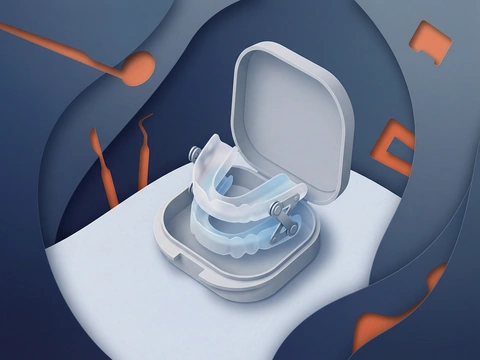
Oral Appliance Therapy (MADs)
The gold standard of dental sleep medicine. A custom-fabricated mandibular advancement device fits over your upper and lower teeth and gently advances your lower jaw forward during sleep. This prevents the soft tissue collapse that blocks your airway, reducing apnea events and snoring. The device is compact, silent, and easy to travel with — no mask, hose, or electricity needed.
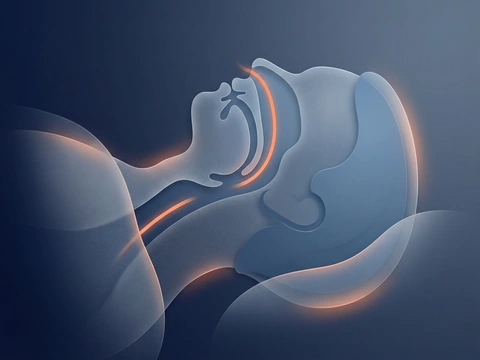
Custom Snoring Solutions
If your primary concern is snoring without a sleep apnea diagnosis, a custom anti-snoring device can make a significant difference. These appliances reposition the jaw or tongue to open the airway and reduce vibration of the soft tissues that cause snoring. Unlike over-the-counter options, our devices are precisely fitted from impressions of your teeth for comfort and effectiveness.
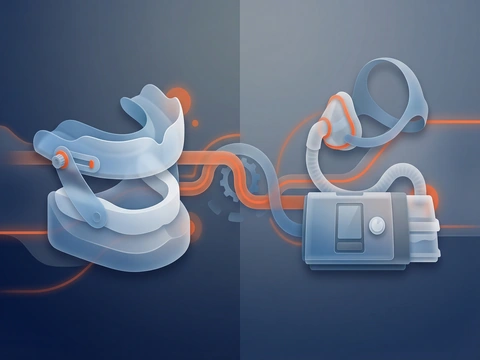
Combination Therapy (Oral Appliance + CPAP)
For patients with moderate to severe sleep apnea who find full-pressure CPAP uncomfortable, combination therapy pairs an oral appliance with a lower-pressure CPAP setting. The appliance does part of the work by advancing the jaw, allowing the CPAP to operate at a reduced, more comfortable pressure. Many patients who abandoned CPAP find combination therapy tolerable enough to use consistently.
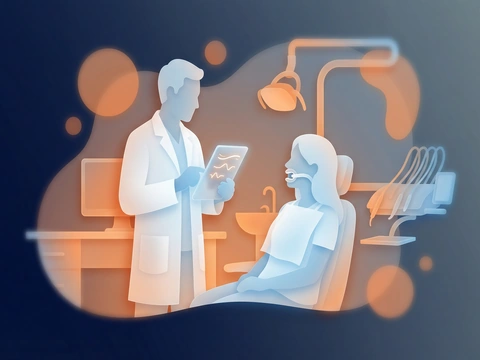
Sleep Apnea Screening & Referral
Not sure if you have sleep apnea? We screen for risk factors during your routine dental visits using validated questionnaires and clinical observation (airway assessment, jaw anatomy, signs of bruxism). If screening suggests sleep-disordered breathing, we coordinate directly with a sleep physician for a formal sleep study and diagnosis.
Signs You May Benefit from Sleep Apnea Treatment
Sleep apnea often goes undiagnosed because many symptoms happen while you are asleep. If you or your partner have noticed any of the following, a sleep apnea screening may be a good next step.
Sleep apnea is more than a sleep problem — untreated OSA is linked to heart disease, high blood pressure, stroke, and type 2 diabetes. Getting screened is the first step toward protecting both your sleep and your overall health.

Your Sleep Apnea Treatment Journey at myDental
From screening to nightly wear, we guide you through every step. Our team works alongside your sleep physician to ensure your treatment is properly diagnosed, precisely fitted, and consistently effective.
Screening & Sleep Study Coordination
If you have not been diagnosed yet, we start with a sleep apnea risk assessment — evaluating your symptoms, airway anatomy, and medical history. If screening suggests sleep-disordered breathing, we coordinate a referral to a sleep physician for a formal sleep study (polysomnography), which can often be done at home with a portable monitoring device.
Consultation & Treatment Planning
Once we have your sleep study results and diagnosis, we review your options in detail. For mild to moderate OSA, or for patients who cannot tolerate CPAP, oral appliance therapy is typically recommended. We explain how the device works, walk through costs and insurance coverage, and answer all of your questions before moving forward.
Custom Appliance Fabrication & Fitting
We take precise impressions of your teeth and bite to fabricate a custom mandibular advancement device. When the appliance is ready, we fit it in the office, calibrate the jaw advancement setting, and make sure it is comfortable. We provide instructions on nightly wear, cleaning, and what to expect during the adjustment period.
Calibration & Follow-Up
Over the first few weeks, we fine-tune the appliance — adjusting the advancement level to maximize airway opening while maintaining comfort. Follow-up visits ensure the device is performing as expected. A follow-up sleep study may be recommended to objectively confirm that your apnea-hypopnea index (AHI) has improved.
Ongoing Care & Monitoring
Oral appliance therapy is an ongoing treatment. We schedule periodic check-ins to monitor your bite, inspect the device for wear, and confirm that treatment remains effective. Regular dental checkups also allow us to assess for any bite changes and address concerns early.
Why Choose Sleep Apnea Treatment at myDental?
CPAP works for many patients, but not everyone. Oral appliance therapy offers a proven, comfortable alternative that fits in the palm of your hand and travels anywhere you go. Here is why our patients choose dental sleep medicine.
Better Sleep Quality
By keeping your airway open throughout the night, oral appliance therapy reduces apnea events, improves oxygen levels, and helps you reach the deep, restorative stages of sleep your body needs.
More Daytime Energy
Patients consistently report feeling more awake, more focused, and less irritable after starting treatment. Better sleep translates directly to better days.
Heart Health Protection
Untreated sleep apnea strains your cardiovascular system. Effective treatment reduces your risk of high blood pressure, heart disease, stroke, and other serious health complications.
Comfortable CPAP Alternative
No mask, no hose, no machine noise. A custom oral appliance is small, silent, and easy to wear. It fits in a travel case and needs no electricity — ideal for everyday life and travel.
What Our Patients Say About Sleep Apnea Treatment
Rated 4.8/5,890+ patient reviews across all locations.
“Haven't felt this cared for at a dentist in a decade - the team was kind, informative, and fun!”
Google Review
“Daughter requested a tooth extraction and they delivered - Dr. Patel heard our concerns and did great.”
Google Review
“Toddler's first visit - Ruby explained every instrument beforehand, creating total comfort”
Google Review
“Best dental cleaning ever. Luis the hygienist is thorough but incredibly gentle - hands down the best care.”
Google Review
“Amazing atmosphere, kindness, and compassion for kids - don't walk, run to this office”
Google Review
“100% pain-free extraction by Dr. Gulati - reviewing 7 hours later with little to no pain. A 6-star experience!”
Google Review
“Best dentist in 50 years of visits - they concentrate on your comfort, then work on your teeth.”
Google Review
“As someone who doesn't like the dentist, Carmen, Victoria, and Dr. Patel made me feel so comfortable.”
Google Review
“My son's second visit and the staff were extremely welcoming, especially Ms. Jasmine. Thank you!”
Google Review
“Emergency extraction with pain nearing a 10 -- scheduled within 90 minutes, felt NOTHING during the procedure.”
Google Review
“Cavity removal has always hurt, but today I felt nothing as they drilled, washed, filled, and shaped.”
Google Review
“New to the area - comfort menu, TV in the chair, and a thorough treatment plan from a great team”
Google Review
How Much Does Sleep Apnea Treatment Cost?
The cost of oral appliance therapy depends on the type of device prescribed and your insurance coverage. Many medical and dental insurance plans cover oral appliance therapy for diagnosed obstructive sleep apnea. During your consultation, we provide a transparent treatment plan with clear pricing — no hidden fees, no surprises. Our goal is to make effective sleep apnea treatment accessible with multiple payment options.
Flexible Financing
Split your treatment into easy monthly payments. Apply in minutes.
Ask About Financing →myDental Care Plan
In-house membership plan with discounts on all treatments. No insurance needed.
Learn About the Plan →Your Sleep Apnea Questions, Answered
Don’t see your question? Contact us — we’re happy to help.
Obstructive sleep apnea (OSA) is a condition where the soft tissues in your throat collapse during sleep, partially or completely blocking your airway. This causes repeated pauses in breathing throughout the night — sometimes dozens or hundreds of times — reducing your oxygen levels and disrupting your sleep. It affects millions of adults and is linked to increased risk of heart disease, high blood pressure, diabetes, and daytime fatigue.
Dentists trained in dental sleep medicine treat mild to moderate obstructive sleep apnea using custom oral appliances called mandibular advancement devices (MADs). These devices gently reposition your lower jaw forward during sleep to keep the airway open, preventing the soft tissue collapse that causes breathing pauses and snoring. Your dentist fabricates the device from precise impressions of your teeth, calibrates the jaw advancement setting, and monitors your treatment through follow-up visits.
CPAP uses continuous air pressure through a mask to keep the airway open, while an oral appliance repositions the jaw to achieve the same goal without a mask, hose, or machine. Oral appliances are smaller, quieter, and more portable. Many patients who struggle with CPAP compliance find oral appliance therapy easier to use consistently. For some patients, combination therapy (appliance plus low-pressure CPAP) offers the best results.
Yes. Research shows that custom oral appliances are effective for treating mild to moderate obstructive sleep apnea and can significantly reduce the apnea-hypopnea index (AHI), improve oxygen saturation, and reduce snoring. The American Academy of Sleep Medicine recommends oral appliance therapy as a first-line treatment for mild to moderate OSA and as an alternative for patients who cannot tolerate CPAP.
Many medical and dental insurance plans cover oral appliance therapy for diagnosed obstructive sleep apnea. Coverage varies by plan. Our team verifies your benefits before treatment begins and helps you understand your out-of-pocket costs. We also offer flexible financing and our myDental Care Plan for patients without insurance.
Sleep apnea is diagnosed through a sleep study (polysomnography), which can be conducted at a sleep center or at home using a portable monitoring device. Your dentist can screen for sleep apnea risk factors during routine visits and refer you to a sleep physician for formal diagnosis. Once diagnosed, your dentist and sleep physician collaborate on the best treatment approach for your specific situation.
Common signs include loud, chronic snoring, gasping or choking during sleep, waking up with a dry mouth or morning headache, excessive daytime sleepiness despite adequate hours of sleep, difficulty concentrating, irritability, and a partner noticing that you stop breathing during the night. There is also a strong link between bruxism (teeth grinding) and sleep apnea — if you grind your teeth at night, a TMJ evaluation and sleep screening may both be appropriate.
A dentist trained in dental sleep medicine can fabricate and fit a custom oral appliance after a sleep physician has confirmed the diagnosis through a sleep study. The dentist and sleep physician work as a team — the physician provides the diagnosis and prescription, and the dentist designs, fits, and manages the oral appliance therapy. This collaborative approach ensures your treatment is medically appropriate and effectively calibrated.
From consultation to receiving your custom oral appliance typically takes 2 to 4 weeks. After fitting, allow 1 to 2 weeks to adjust to wearing the device nightly. Follow-up appointments fine-tune the appliance for optimal results, and a follow-up sleep study may confirm treatment effectiveness. Oral appliance therapy is an ongoing, nightly treatment — similar to wearing a retainer — with periodic dental check-ins to maintain device fit and efficacy.
Explore Related Dental Services
Ready for Better Sleep?
Restless nights, constant fatigue, and loud snoring do not have to be your normal. Our dental sleep medicine team will evaluate your symptoms, coordinate with your sleep physician, and fit you with a custom oral appliance designed for comfortable, effective relief. With convenient Texas locations and flexible payment options, better sleep is closer than you think. Schedule your consultation today.
 English
 Spanish