
Cirugía Oral: Atención Quirúrgica Experta en un Entorno Cómodo
Ya sea que necesite una extracción de muelas del juicio, un diente o un injerto óseo para preparar un implante, la cirugía oral no tiene por qué ser algo que le dé miedo. Nuestro experimentado equipo dental utiliza técnicas modernas, anestesia completa y opciones de sedación para que su experiencia quirúrgica sea lo más cómoda y placentera posible, para que pueda concentrarse en su recuperación, sin preocuparse.
El formulario en línea está en inglés. Si prefiere ayuda en español, llámenos.
¿Qué es la cirugía oral?
La cirugía oral es una categoría de procedimientos dentales que implica el acceso quirúrgico a dientes, hueso o tejido blando que no pueden tratarse únicamente con métodos rutinarios. Cuando un diente queda atrapado debajo de la encía, roto de raíz o rodeado de hueso deteriorado, un empaste o una extracción estándar pueden no ser suficientes. La cirugía oral le permite a su dentista abordar estos problemas más profundos directamente y restaurar su salud bucal.
En myDental, la cirugía oral se realiza en nuestras clínicas por profesionales dentales experimentados que realizan estos procedimientos a diario. Utilizamos radiografías digitales, imágenes 3D cuando es necesario y técnicas quirúrgicas de eficacia comprobada para que reciba una atención precisa y eficiente, todo en un entorno diseñado para mantenerlo relajado e informado de principio a fin.
Extracción de terceros molares que están impactados, apiñando otros dientes o causando dolor e infección.
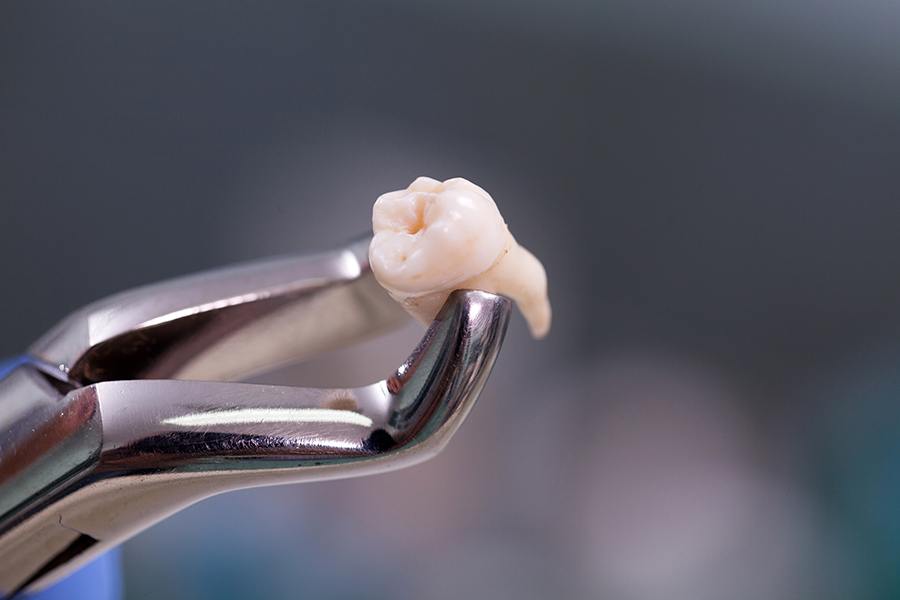
Extracción quirúrgica de dientes rotos, cariados sin posibilidad de reparación o que no se pueden sacar con una simple extracción.
Reconstrucción del hueso maxilar que se ha adelgazado o deteriorado para crear una base sólida para los implantes dentales.
Exponer y extraer dientes que están atrapados debajo del tejido de las encías o que crecen en la dirección incorrecta.
Procedimientos de cirugía oral que ofrecemos
Cada caso de cirugía oral es único, y el procedimiento adecuado depende de su diagnóstico específico. Estos son los tratamientos quirúrgicos más comunes que realizamos.
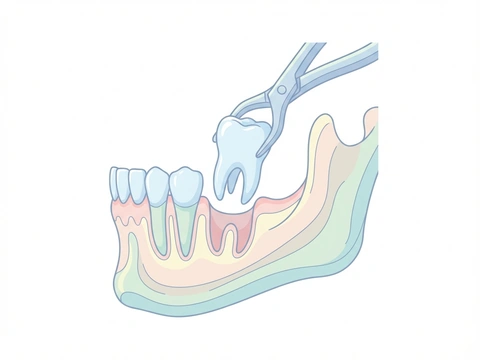
Extracción de muelas del juicio
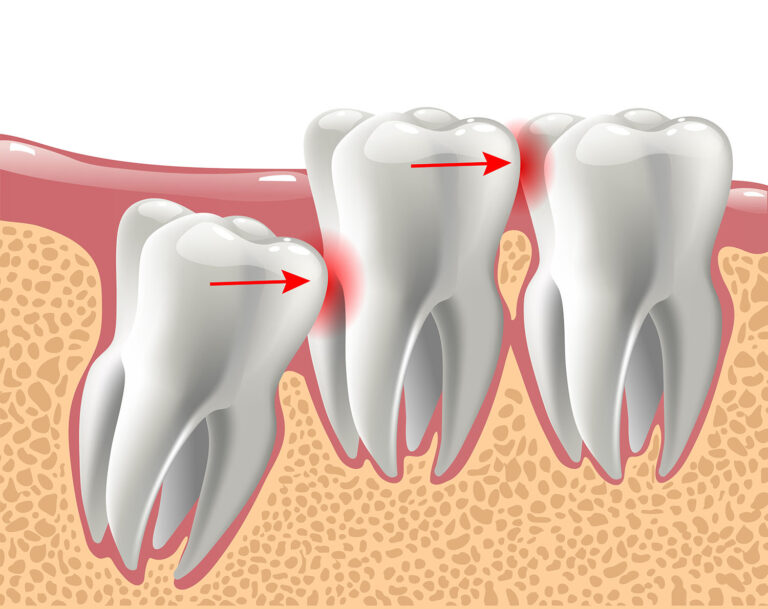
Las muelas del juicio suelen quedar impactadas, es decir, se quedan atrapadas debajo de la encía o crecen lateralmente hacia los dientes vecinos. Esto puede causar dolor, inflamación, infección y apiñamiento. Extraemos las muelas del juicio quirúrgicamente, con sedación para su comodidad, y proporcionamos instrucciones claras de cuidados posteriores para que la recuperación sea fluida.
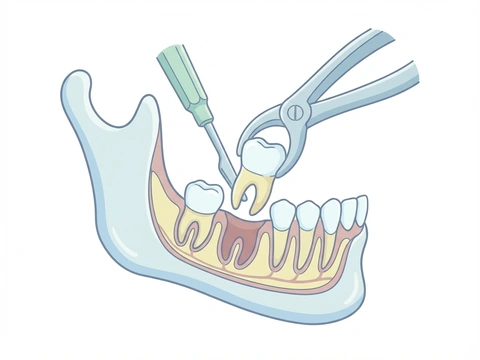
Extracciones quirúrgicas
Cuando un diente está roto en la encía, tiene raíces curvadas o fusionadas, o está demasiado comprometido para una extracción rutinaria, se requiere una extracción quirúrgica. Hacemos una pequeña abertura en el tejido gingival para acceder y extraer el diente con cuidado, cerrando la zona para promover una correcta cicatrización.
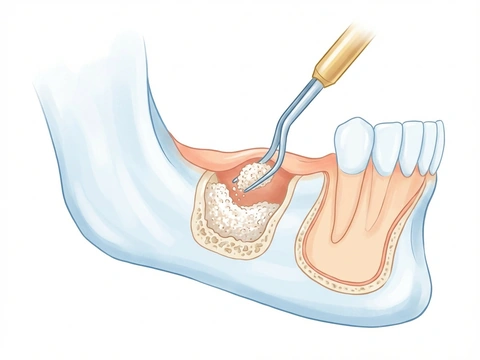
Injerto óseo
Tras la pérdida de una pieza dental o una infección prolongada, el hueso maxilar puede perder densidad y volumen. El injerto óseo coloca material de injerto biocompatible en la zona para estimular la reconstrucción ósea. Esto crea la base sólida y estable necesaria para soportar un implante dental en el futuro.
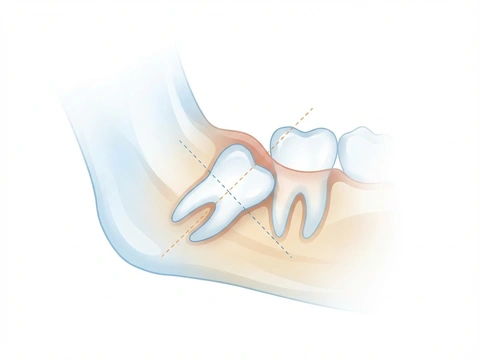
Cirugía de dientes impactados
Un diente impactado es aquel que no ha logrado emerger por sí solo de la encía. Esto es más común en las muelas del juicio y los caninos. Exponemos quirúrgicamente el diente y lo extraemos o trabajamos con su ortodoncista para guiarlo a la posición correcta, según el método que mejor se adapte a su salud dental a largo plazo.
Señales de que podría necesitar cirugía oral
La cirugía oral no siempre es el primer paso, pero cuando un problema dental supera las posibilidades de la atención rutinaria, puede ser la solución más eficaz. Usted podría ser candidato para la cirugía oral si experimenta alguno de los siguientes síntomas:
Si su dentista le ha recomendado una cirugía oral o si presenta alguno de estos síntomas, programe una consulta. Revisaremos sus imágenes, le explicaremos sus opciones con claridad y le ayudaremos a tomar la mejor decisión para su salud.

Su experiencia de cirugía oral en myDental
Sabemos que la palabra "cirugía" puede resultar intimidante. Aquí le presentamos un resumen claro de lo que sucede desde su primera consulta hasta su cita de seguimiento, para que no haya sorpresas en el camino.
Consulta e imágenes
Su visita comienza con un examen completo y radiografías digitales o imágenes 3D de la zona a tratar. Su dentista revisará las imágenes con usted, le explicará el problema con claridad y le explicará el procedimiento recomendado, el tiempo de recuperación estimado y el costo, para que tenga todo lo necesario para tomar una decisión informada.
Preparación prequirúrgica
Antes de su procedimiento, le brindaremos instrucciones detalladas sobre cómo prepararse. Si se le administrará sedación, le indicaremos cuánto tiempo debe ayunar y cómo organizar su transporte a casa. Responderemos a todas sus preguntas para que se sienta seguro y preparado el día de la cirugía.
El procedimiento quirúrgico
El día de la cirugía, adormeceremos completamente la zona con anestesia local. Si prefiere sentirse más relajado, disponemos de opciones de sedación, como óxido nitroso o sedación oral. Su dentista realizará el procedimiento con cuidado y eficiencia, manteniendo la comodidad durante todo el procedimiento. La mayoría de los procedimientos duran entre 30 minutos y una hora.
Recuperación y seguimiento
Antes de que se vaya, repasaremos detalladamente sus instrucciones de cuidados posteriores: qué comer, cómo controlar la hinchazón, cuándo tomar los medicamentos y qué síntomas debe observar. Programaremos una visita de seguimiento para supervisar su recuperación y asegurarnos de que todo esté progresando adecuadamente. Nuestro equipo también está disponible por teléfono si surge alguna pregunta durante su recuperación.
¿Por qué elegir myDental para cirugía oral?
La cirugía oral requiere habilidad, el equipo adecuado y un equipo que realmente se preocupa por su comodidad. Esto es lo que distingue a nuestro enfoque.
Opciones de sedación para cada nivel de comodidad
Ofrecemos óxido nitroso y sedación oral para que elija el nivel de relajación que mejor se adapte a sus necesidades. Acompáñelo con mantas, auriculares y Netflix, y su visita quirúrgica podría ser más cómoda de lo que imaginaba.
Precios transparentes y asequibles
Le proporcionamos un desglose completo de costos antes de que comience su procedimiento. Aceptamos la mayoría de los seguros PPO, ofrecemos financiamiento flexible y nuestro Plan myDental ofrece descuentos para pacientes sin seguro.
Atención completa bajo un mismo techo
Desde la consulta inicial y la toma de imágenes hasta la cirugía en sí y las restauraciones de seguimiento, como implantes o coronas, manejamos cada paso internamente, por lo que no necesita derivaciones a especialistas externos.
Programación eficiente y recuperación rápida
Respetamos su tiempo programando su consulta y procedimiento de la manera más eficiente posible. Nuestras modernas técnicas quirúrgicas están diseñadas para minimizar la alteración del tejido, lo que se traduce en menos inflamación y una reincorporación más rápida a su rutina diaria.
Lo que dicen nuestros pacientes sobre la cirugía oral
Tiene una calificación de 4,9/5 estrellas basada en más de 6.717 reseñas de pacientes en todas las ubicaciones.
“Una caries enorme detrás de mi muela del juicio; me la sacó como si nada. Un ambiente muy tranquilo y relajante.”
Reseña de Google
“Alveolo seco tratado sin costo después del fracaso de otro cirujano. ¡El Dr. T es mi mejor opción ahora!”
Reseña de Google
“Como persona con ansiedad dental, la extracción de mis muelas del juicio fue la cita más sencilla de mi vida”.”
Reseña de Google
“El Dr. Chen se tomó el tiempo necesario para explicarme las ventajas y desventajas de cada opción y me involucró en el proceso de toma de decisiones; su trato paciente me hizo sentir segura.”
Reseña de Google
“Tras una endodoncia, la extracción se convirtió en un proceso completamente indoloro gracias al Dr. Iqbal y Druvil”
Reseña de Google
“Tenía muchísima ansiedad al venir a la consulta para que me extrajeran las muelas del juicio, ¡y salí una hora después con todas extraídas! Sin duda, me convertiré en paciente aquí a largo plazo.”
Reseña de Google
“Me extrajeron las muelas del juicio con el Dr. Lee y todo salió de maravilla. La recepción es muy acogedora, las revisiones transcurren sin problemas; todo es muy tranquilo y organizado.”
Reseña de Google
“Mi hijo tenía miedo a los dentistas; le sacaron una muela sin dolor y sin tiempo de recuperación”
Reseña de Google
“Extracción el mismo día de un diente roto sin dolor: total transparencia, sin juicios, sin presión”.”
Reseña de Google
“Tengo bastante ansiedad dental, pero el personal me hizo sentir muy bienvenida. Incluso sin seguro, no me ha supuesto un gasto excesivo; los precios son muy razonables.”
Reseña de Google
“Me extrajeron dos muelas del juicio y fue mucho más fácil y rápido de lo que todos decían”.”
Reseña de Google
“Me atendieron el mismo día para hacerme una radiografía y me extrajeron las cuatro muelas del juicio. Fueron muy profesionales y me atendieron al día siguiente de mi llamada.”
Reseña de Google
¿Cuánto cuesta la cirugía oral?
El costo de la cirugía oral depende del procedimiento específico, su complejidad y si se utiliza sedación. La extracción de una sola muela del juicio cuesta menos que la de las cuatro, y el injerto óseo varía según el tamaño del área a tratar. Le proporcionaremos un presupuesto detallado durante su consulta para que sepa exactamente qué esperar antes de comenzar cualquier procedimiento: sin cargos ocultos ni sorpresas.
Financiación flexible
Divide tu tratamiento en cómodos pagos mensuales. Solicita en minutos.
Pregunte por Financiamiento →Plan de Atención myDental
Plan de membresía interna con descuentos en todos los tratamientos. No se necesita seguro.
Conozca el plan →Sus preguntas sobre cirugía oral, respondidas
¿No ves tu pregunta? Contáctanos — Estaremos encantados de ayudarle.
La cirugía oral abarca una variedad de procedimientos que implican el tratamiento quirúrgico de dientes, huesos o tejidos blandos dentro y alrededor de la boca. Es posible que necesite cirugía oral si tiene muelas del juicio impactadas, un diente roto debajo de la encía, pérdida ósea en la mandíbula que requiere un injerto antes de un implante, o un diente que no se puede salvar con una endodoncia o una corona. Su dentista le explicará por qué se recomienda la cirugía y qué alternativas existen antes de tomar una decisión.
Los costos dependen del tipo y la complejidad del procedimiento. Extraer una sola muela del juicio erupcionada es más económico que extraer cuatro muelas del juicio impactadas bajo sedación. El costo de los injertos óseos varía según el tamaño del área a tratar. Le proporcionaremos un presupuesto claro durante su consulta antes de comenzar cualquier tratamiento. Aceptamos la mayoría de los seguros dentales PPO. financiación flexible, y nuestro Plan myDental Ofrece descuentos para pacientes sin seguro.
La mayoría de los planes de seguro dental PPO cubren una parte de los procedimientos de cirugía oral, como la extracción de muelas del juicio, las extracciones quirúrgicas y los injertos óseos, cuando se consideran médicamente necesarios. La cantidad cubierta varía según el plan y el proveedor. Nuestro equipo verifica sus beneficios antes de su cita y le explica los costos de bolsillo estimados para que pueda planificar con anticipación. Visite nuestra página web. página de seguros Para más detalles sobre los planes aceptados.
No debería sentir dolor durante el procedimiento. Usamos anestesia local para adormecer completamente la zona quirúrgica. opciones de sedación El óxido nitroso y la sedación oral le ayudarán a sentirse tranquilo y relajado durante todo el procedimiento. Después de la cirugía, es normal que sienta algo de hinchazón y dolor a medida que la zona cicatriza. Le daremos instrucciones para el cuidado posterior y podríamos recetarle analgésicos para que se sienta cómodo durante los primeros días de recuperación. La mayoría de los pacientes nos comentan que la experiencia fue mucho más fácil de lo esperado.
El tiempo de recuperación varía según el procedimiento. En el caso de la extracción de muelas del juicio y las extracciones quirúrgicas, la mayoría de los pacientes se sienten significativamente mejor en un plazo de tres a cinco días y pueden retomar sus actividades normales en una semana. El injerto óseo requiere un periodo de cicatrización más largo, normalmente de tres a seis meses, a medida que el material del injerto se integra con el hueso natural. Le proporcionaremos un cronograma de recuperación personalizado e instrucciones detalladas sobre los cuidados posteriores para que sepa exactamente qué esperar.
Si sedación Si se utiliza, deberá dejar de comer y beber durante un número específico de horas antes de su cita y coordinar que alguien lo lleve a casa. Use ropa cómoda y holgada y evite usar joyas. Tome los medicamentos preoperatorios según las indicaciones de su dentista. Abastezca su cocina con alimentos blandos Como yogur, compota de manzana, puré de papas y batidos durante los primeros días después de la cirugía. Le enviaremos instrucciones detalladas de preparación antes de su cita para que todo esté cubierto.
En algunas situaciones, sí. Un diente que aún tiene suficiente estructura sana se puede salvar con una conducto radicular y corona En lugar de una extracción. Las muelas del juicio que han erupcionado completamente y no causan problemas pueden ser monitoreadas en lugar de ser extraídas. Sin embargo, cuando un diente está gravemente dañado debajo de la encía, impactado o cuando la pérdida ósea amenaza la posibilidad de recibir un implante, la cirugía suele ser la solución más confiable y efectiva. Su dentista le explicará todas las opciones disponibles para que pueda elegir la mejor opción para su situación.
myDental ofrece cirugía oral en diversas ubicaciones convenientes en Texas. Cada consultorio está equipado con radiografías digitales, imágenes 3D y el instrumental quirúrgico necesario para realizar extracciones, injertos óseos y otros procedimientos de forma segura y cómoda. Encuentra la ubicación más cercana a ti y llame para agendar su consulta.

Explorar servicios dentales relacionados
¿Está listo para programar su consulta de cirugía oral?
Dar el primer paso es lo más difícil. Nuestro equipo le guiará en el proceso de toma de imágenes, le explicará sus opciones con claridad y se asegurará de que se sienta seguro antes de comenzar cualquier procedimiento. Ya sea que necesite una extracción de muelas del juicio, una extracción quirúrgica o un injerto óseo, estamos aquí para que la experiencia sea lo más cómoda y sencilla posible.
 English
 Spanish