Dental Implants: Permanent Restoration for Missing Teeth
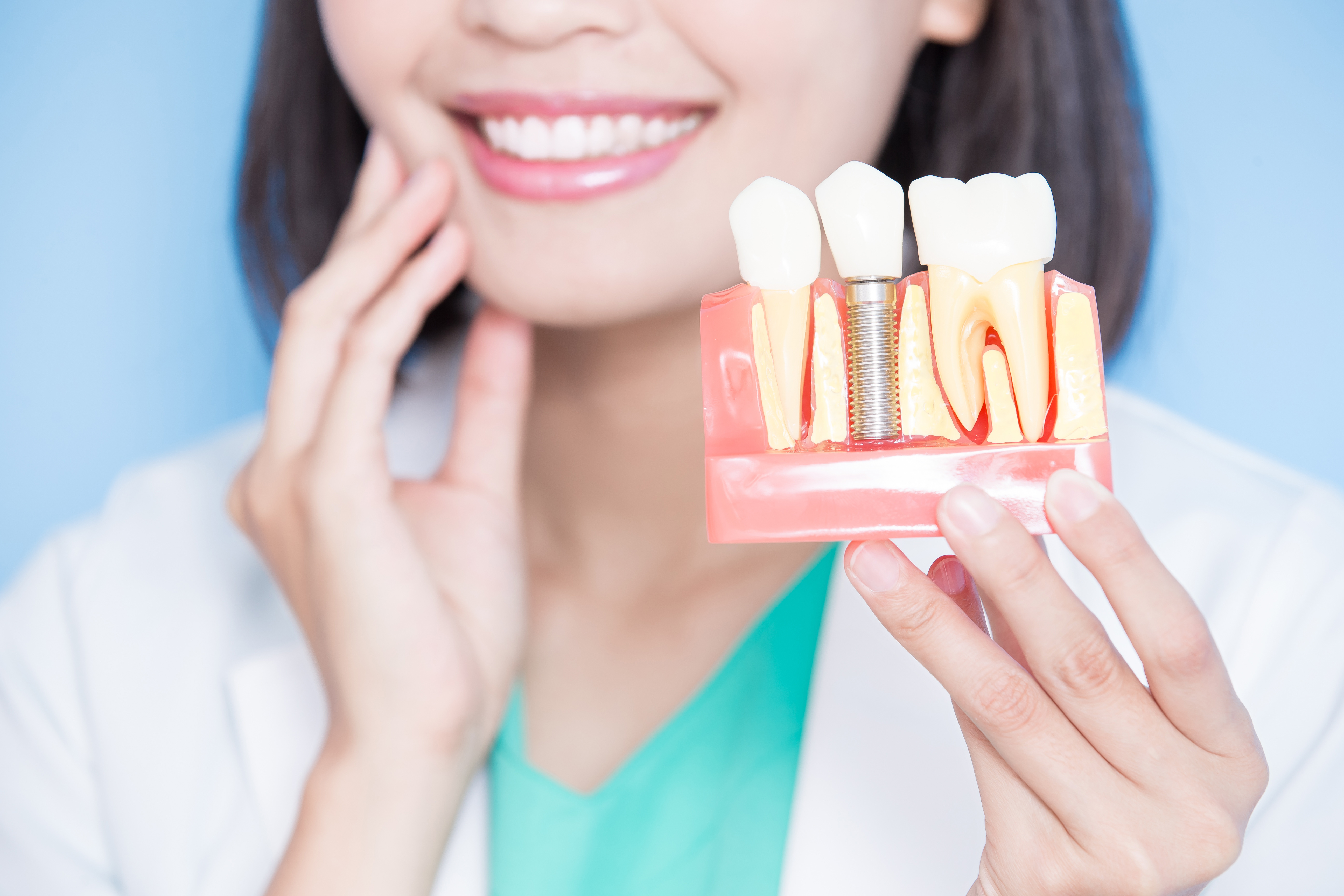
Missing one or more teeth isn’t only uncomfortable, but these dental gaps can have an impact on all aspects of your life. Our team ay myDental understands the importance of a healthy functional smile, so we offer top-notch care and support to keep you informed about your options. When you are working with an experienced team, you can rest assured knowing that your new implant will be designed to last a lifetime.
What are Implant Placements?
Your new implant will be positioned where your missing tooth was previously located. Several parts of the restoration need to be completed over a series of multiple visits to our office:
- Implant Post ‘ The Foundation: A metal post that is placed into your jawbone, acting as the root of the tooth. This screw-like piece of titanium is the foundation for the visible portion of the restoration.
- Abutment ‘ Connective Structure: The post placed in your jawbone has a piece on top known as the ‘abutment.’ This part of the restoration is the connective structure that holds the crown or bridge to the implant post.
- Implant Restoration – Crown Placement: Typically, a crown or bridge restoration is attached to the post a few months after the placement of the implant.
Implant-Based Denture
It is common to use an implant to restore one missing tooth. But there are situations where implants can be helpful if multiple teeth are missing. Instead of using standard dentures that slide around in the mouth, an implant based denture is a great long-term solution.
This treatment uses multiple implants that are designed to hold your dentures in place. The dentures can be removed as needed for cleaning and repair work, then re-attached in the mouth to the implants.
Implant Bone Graft and Membrane
Sufficient bone mass is required to hold the implant in place. If bone loss has occurred, then it might be necessary to use a bone graft. The body utilizes this graft so that a solid foundation can be built that assimilates the implant and holds it in place firmly.
Additionally, it might be necessary to place a membrane barrier. This piece is used to prevent the risk of the gum growing into the cavity where the bone should be present. So, the membrane is placed under the gum, but over the bone.
Benefits of Implant Restorations
Why should you choose an implant as an alternative to other restorative dental treatments? Once the implant and crown are in place, the restoration functions like your natural tooth. You can talk, eat, and enjoy other daily activities without worrying about the tooth.
Not only can you enjoy life without worrying about gaps in your mouth, but your newfound confidence will have an impact on self-esteem. It’s easier to share a beautiful smile with others when you are happy with the appearance of your teeth.
Are You a Good Candidate for Dental Implants?
As you are considering your options for dental restoration, we invite you to talk to our experienced team for more information. We’ll discuss your dental history, overall health, and specific needs to ensure the success of your restorative treatment.
Reach out to us at myDental any time to schedule a consultation to learn about dental implants. We offer implant services at our convenient Tech Ridge location.
Frequently Asked Questions
Dental implants consist of a titanium post surgically placed into the jawbone, an abutment connector, and a custom-made crown on top. The titanium post fuses with the bone through a process called osseointegration, creating a stable foundation. Once healed, the crown looks, feels, and functions like a natural tooth.
Dental implants can last 25 years or longer with proper care, and many last a lifetime. Traditional bridges typically last 10 to 15 years, while dentures may need replacement or relining every 5 to 8 years. Implants also help preserve jawbone, which dentures and bridges do not.
The implant process typically takes three to six months from start to finish. First, the titanium post is placed during a minor surgical procedure, followed by a healing period of three to four months for the bone to fuse with the implant. After healing, the abutment and custom crown are attached to complete the restoration.
A single dental implant typically costs between $3,000 and $5,000 including the post, abutment, and crown. Some dental insurance plans cover a portion of the cost, especially if the implant is considered a medical necessity. Many dental offices also offer financing plans to help manage the investment over time.
Good candidates for dental implants have sufficient jawbone density, healthy gums, and good overall health. Non-smokers with well-controlled chronic conditions tend to have the best outcomes. A dentist can evaluate bone structure with X-rays or 3D imaging to determine if implants are a good fit or if a bone graft is needed first.
 English
 Spanish