Is Your Toothpaste Actually Helping? A Dentist Breaks Down Labels
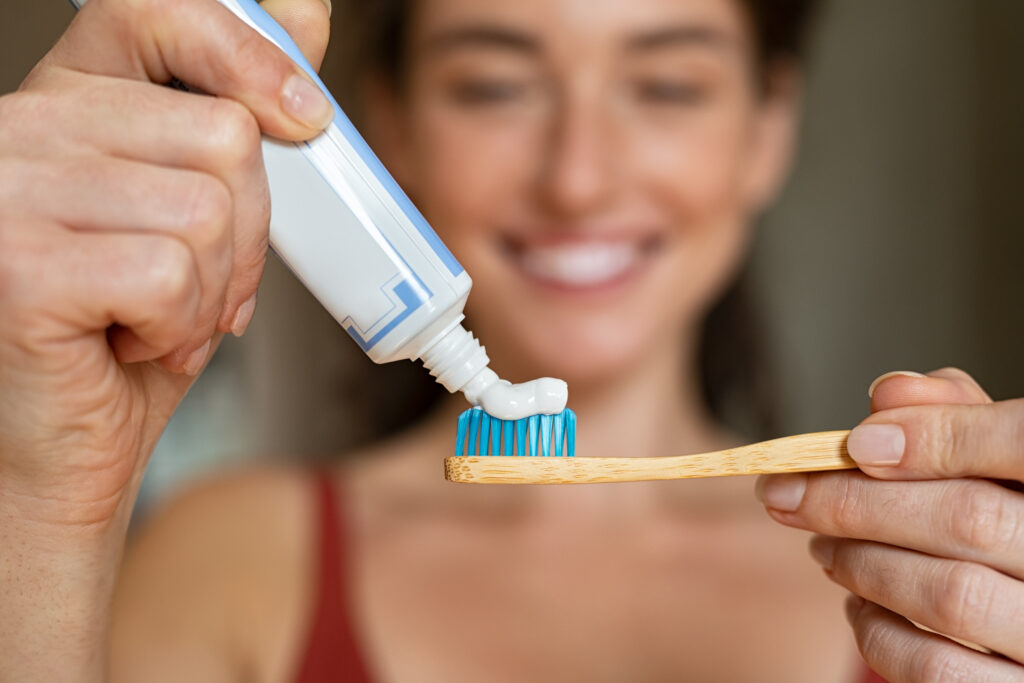
Do you feel overwhelmed in the toothpaste aisle, trying to figure out which products are best for your unique needs? There are so many different types of toothpaste to choose from: whitening, charcoal, sensitivity relief, fluoride-free…how can you tell which one will actually work best to protect your smile?
The truth is that the ingredients on the tiny back label matter much more than the marketing on the front of the box. Here are a few things that you need to know when choosing the best toothpaste:
Why Toothpaste Labels Are So Confusing
Even though toothpaste is regulated through the FDA as an over-the-counter drug, there are loose definitions when it comes to marketing. The purpose of the marketing messages on the front of the box is to entice people to choose that product, but the marketing doesn’t necessarily indicate the benefits or effectiveness of the ingredients in the bottle.
You might see terms such as “natural” or “remineralizing” that sound good, but these phrases aren’t actually standardized. So, you don’t necessarily know what it means to have these phrases on the box. Unfortunately, if you have tooth sensitivity, then some of these products could cause irritation.
The best approach is to determine your individual needs and dental concerns, then find ingredients to support those goals.
Toothpaste Ingredients That Actually Support a Healthy Smile
The ideal solution is to talk to your dentist for individual recommendations and preventive dental care that will help you maintain a healthy smile that lasts a lifetime. Here are some things that might be discussed about the type of toothpaste you should be using:
- Fluoride and Other Related Ingredients: We have decades of research that support the use of fluoride for cavity prevention and enamel remineralization, which is why fluoride is the gold standard. Some patients ask about hydroxyapatite vs. fluoride…if you are looking for a fluoride alternative, then nano-hydroxyapatite is an option to consider since it’s a lab-made version of the mineral that makes up natural tooth enamel.
- SLS and Sensitive Mouths: Many modern toothpastes contain sodium lauryl sulfate (SLS), which is the ingredient that makes the product foam up. If you have mouth sores or irritation, such as canker sores, then it might be helpful to try an SLS-free toothpaste. The truth is that the foaming agent is for customer experience and doesn’t actually have an impact on the toothpaste’s cleaning ability.
- Sensitive Teeth: The best toothpaste for sensitivity should include ingredients such as potassium nitrate, stannous fluoride, or nano-hydroxyapatite. Usually, sensitivity is caused by worn enamel or exposed dentin, and these ingredients can help with these issues.
Should You Be Worried About Charcoal Toothpaste?
People who are interested in more natural products have made charcoal toothpaste more popular on social media, but it’s important to understand that charcoal safety on teeth is still in research. The main concern is that most charcoal products have a high abrasive RDA value, which means that they might start to wear down your enamel over time.
At this point, the American Dental Association has not approved any type of charcoal toothpaste. We recommend caution with these types of dental products, especially if you have sensitive teeth.
Protecting the Oral Microbiome
Another factor to consider when choosing dental products is how the ingredients will affect your oral microbiome. Did you know that your mouth has hundreds of bacterial species, many of which are beneficial for your health?
While certain types of bacteria can increase the risk of cavities and gum disease, there are other types of bacteria that are necessary to maintain the proper microbiome balance within your mouth. This is why many dentists recommend skipping harsh antiseptic ingredients that could disrupt this balance, especially if you are addressing specific dental concerns relating to the oral microbiome.
Personalized Recommendations from a Dental Team You Can Trust
At myDental, we understand that every patient is unique, which is why we take the time to understand your individual needs and offer personalized recommendations. Whether you need support with preventive dentistry or you are ready to learn more about modern treatments for cosmetic or restorative dentistry, we are always here to help.
Our experienced dental team offers family-focused dental care for patients of all ages. We invite you to book an appointment at a location near you or call anytime for more information about available services.
Frequently Asked Questions
Depending on the cause of your tooth sensitivity, certain types of toothpaste can help with reducing your sensitivity. Keep in mind that persistent or severe sensitivity is often an indication of an underlying issue that needs to be addressed, such as gum recession or a fracture in your tooth. A dentist can help with your diagnosis to determine the ideal treatment plan and dental products.
The best toothpaste for sensitivity has an RDA value below 70. Anything over 150 is considered highly abrasive and could potentially increase sensitivity because it wears down tooth enamel over time.
If you choose a fluoride-free toothpaste, make sure to select a product with ingredients that are backed by research, such as nano-hydroxyapatite. Ingredient selection is especially important if you are prone to cavities.
 English
 Spanish