9 Benefits of Digital Dental X-Rays
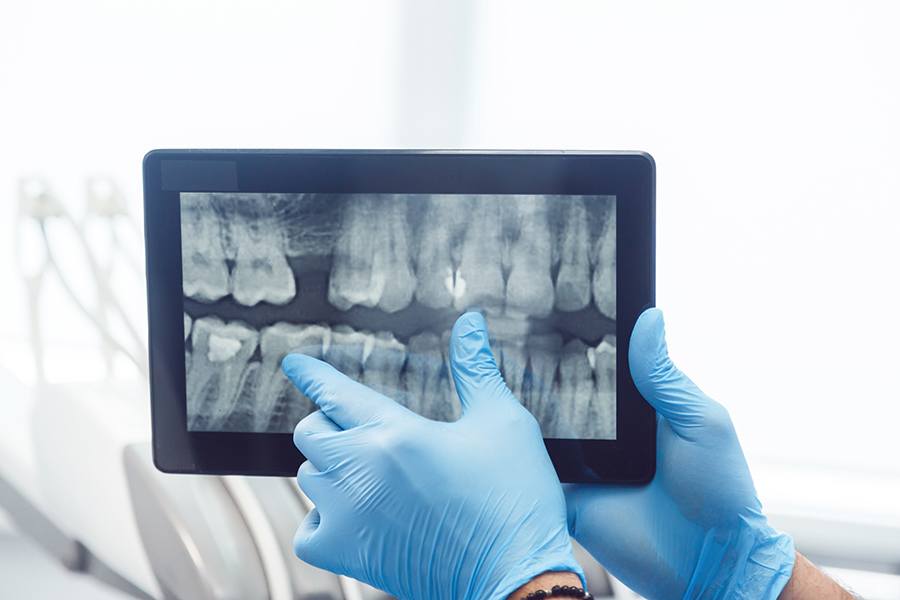
Dental imaging offers a powerful way for dentists to properly diagnose and treat a variety of tooth and gum conditions. Since safety is a priority, our office chooses to use the latest technology to protect our patients. We offer digital dental x-rays as an alternative to the traditional methods that were previously used to view details about dental health.
Here are some of the greatest benefits to visiting a local dental office that offers digital radiography:
- Enhanced Images: These x-rays are captured using digital sensors instead of the traditional x-ray film. These sensors produce quality images that are saved onto the computer. High resolution and accuracy means that more information is available for the dentist to use. In addition to computer images of the teeth, images can also be captured of the gums and other oral structures.
- Enlargement Options: When you are looking at a traditional x-ray film, the image can only be viewed at actual size. Digital images can be enlarged, giving the dentist the option to zoom in on potential problems.
- Immediate Viewing: Traditional x-ray film required a waiting period while the film was developed. Now, the digital tools provide immediate viewing of the imaged area. The photos can be pulled up on a computer screen right after the images are captured.
- Improved Diagnostics: Having access to clear pictures and more information increases the accuracy of diagnostics. Patients can rest assured knowing that the diagnosis and treatment plan is customized based on the exact specifications in their mouth. Digital x-rays can reveal inconspicuous issues such as hidden areas of decay, infections in the bone, gum disease, tumors, and other abnormalities that are out of sight during a visual examination.
- Save Time and Money: Early detection methods using digital x-rays help to minimize the treatments that are required. As a result, patients can save both time and money by avoiding more invasive treatments.
- Reduced Radiation: Researchers have found that the radiation levels are reduced by up to 70% compared to traditional x-ray equipment. Lowering the radiation helps to decrease the potential side effects and long-term risk of x-ray exposure.
- Electronic Storage: The dental office can keep these files in storage indefinitely. Instead of having stacks of paperwork and files, digital images can be kept securely in the cloud for future reference as needed.
- Easy Access: If your digital x-rays need to be stored or shared, you have the option to receive a printed copy of the images. Also, these images can be sent through electronic systems to insurance companies, helping to speed up the process for certain insurance claims.
- Environmentally Friendly: Since film processing chemicals are not required, digital x-rays offer a way to eliminate the pollution. Digital images can be captured without leftover chemicals that are hazardous waste.
At myDental, we are committed to offering the best dental technology to our patients. If you are interested in learning more about the benefits of these technology advancements, you are welcome to visit our office any time. Call today to visit one of our nearby locations for an appointment.
Frequently Asked Questions
Digital dental X-rays reduce radiation exposure by up to 80 percent compared to traditional film X-rays. This significant reduction makes the imaging process safer for patients, including children and those who need frequent monitoring. The lower radiation dose is one of the primary reasons dental offices have transitioned to digital technology.
Digital X-rays produce high-resolution images that can be enhanced, magnified, and adjusted on screen for a more detailed view of teeth and bone. Dentists can adjust contrast, brightness, and zoom into specific areas to spot cavities, fractures, and bone loss earlier than with traditional film. This improved visibility leads to more accurate and timely diagnoses.
Digital dental X-rays are safe for children due to the significantly reduced radiation levels compared to traditional film X-rays. Pediatric patients are given appropriately sized sensors and protective lead aprons for added safety. The speed of digital imaging also means shorter exposure time, which is especially helpful for young patients who may have difficulty sitting still.
Most dental insurance plans cover digital X-rays the same way they cover traditional X-rays since they are a standard diagnostic tool. Preventive plans typically include a set of X-rays once or twice per year as part of routine care. The imaging method does not usually affect coverage, as insurance reimburses based on the type of X-ray taken.
Digital X-rays eliminate the need for chemical processing solutions and film that traditional X-rays require, removing toxic waste from the dental office workflow. There is no darkroom needed, no lead foil waste, and no plastic film packaging to dispose of. This makes digital imaging a significantly more environmentally friendly option for dental diagnostics.
 English
 Spanish