3 Benefits of Low Radiation Digital X-Rays
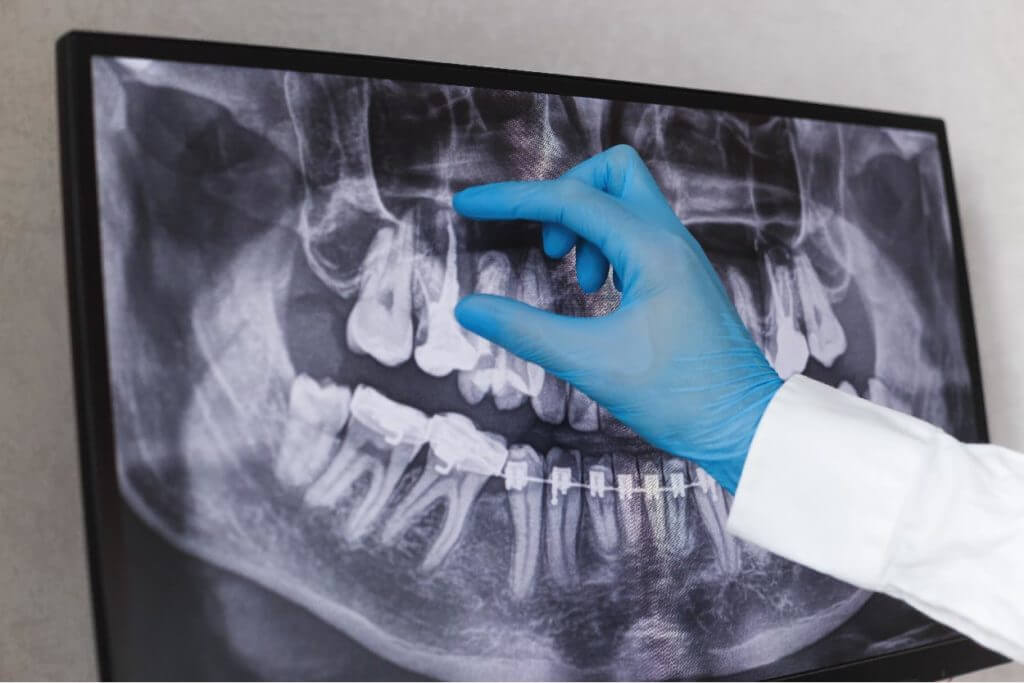
Are you ‘seasoned’ enough to remember the days of the old dental x-rays that were developed on film and thrown up on a light screen for your dentist to view? Remember how your dentist would then proceed to diagnose any problems that he saw? It’s amazing that any kind of small details were seen at all!
Today, modern dentists use digital x-rays to diagnose issues with your teeth and surrounding areas. These problems can include dental cavities, infections, the need for tooth removal, recent dental changes as well as aid your dentist with implant placement. Digital x-ray technology is not only safe, but a very important element to your dental care.
Low radiation digital x-rays are even better than the previously offered x-rays. Let’s look at the benefits that you will find when opting for a dentist that offers low radiation digital x-rays.
More Accurate Results and Diagnosis
The old film x-rays are things of the past. Low radiation digital x-rays can show your dentist things that could have never been seen with past x-ray technology. Digital images provide image clarity, along with the ability to be magnified and manipulated in all kinds of ways to get the best view of your mouth and teeth. This way, your dentist can see more, see better, and give you the most accurate diagnosis possible without digging into your teeth first to figure it out.
Our low radiation digital x-rays also give you the ability to see more. Because digital images show so much more detail and your dentist can move things around and point out even the smallest details when magnified, you as a patient are able to see the problems or issues for yourself, and in turn, make the best decision about your treatment options.
Safer Technology
It’s amazing that low radiation x-rays deliver around 50% less than the amount of radiation that traditional film x-rays produced! Safer technology is one of the best and most important benefits that low radiation digital x-rays offer.
Even the conventional lead aprons have disappeared from many dentist offices. Don’t worry though – those that are concerned about any extra radiation exposure, for example those with thyroid issues or pregnant women, can usually request a lead apron for that extra protection and peace of mind.
Faster Turnaround
Digital x-rays appear on your dentist’s computer screen instantly! Your dentist can literally take x-rays and begin discussing treatment options immediately.
Your digital images can also be stored on the dental office computer for your dentist to reference later. These images can also be digitally sent over to a specialist or other dentist if needed.
Choose a Dentist Committed to Providing the Best
At myDental, we are committed to providing you and your family with quality dental care. Your safety is always at the forefront of what we do. This is why we have chosen low radiation digital x-rays for our patients and our dental office.
If it’s time for you to schedule a checkup and dental cleaning, call for an appointment at one of our convenient locations. We would love to talk with you about our many available services.
Frequently Asked Questions
Digital dental X-rays use up to 80 percent less radiation than traditional film X-rays. This lower dose makes routine dental imaging safer for patients of all ages, including children and pregnant women when necessary. The reduced exposure comes from the high sensitivity of digital sensors, which need far less radiation to produce a clear image.
Digital X-ray images appear on the computer screen within seconds of being taken. There is no waiting for film to be developed in a darkroom as with traditional X-rays. This allows the dentist to review findings and discuss treatment options during the same appointment.
Most adults benefit from bitewing X-rays once a year and a full set every three to five years, though frequency depends on individual oral health needs. Patients with active gum disease, a history of cavities, or ongoing treatment may need X-rays more often. A dentist can recommend the right schedule based on each patient’s risk factors.
Most dental insurance plans cover diagnostic X-rays as part of preventive care, typically at 80 to 100 percent. Bitewing X-rays are usually covered once per year, and full-mouth X-rays are covered every three to five years. Digital and traditional X-rays are billed the same way under most insurance plans.
Digital X-rays reveal cavities between teeth, bone loss from gum disease, infections at tooth roots, impacted teeth, and cysts or tumors in the jaw. They also show the condition of existing fillings, crowns, and root canals. These hidden issues are often impossible to see during a visual examination alone.
 English
 Spanish