Signos de fracaso de un implante dental: Qu?? hay que tener en cuenta
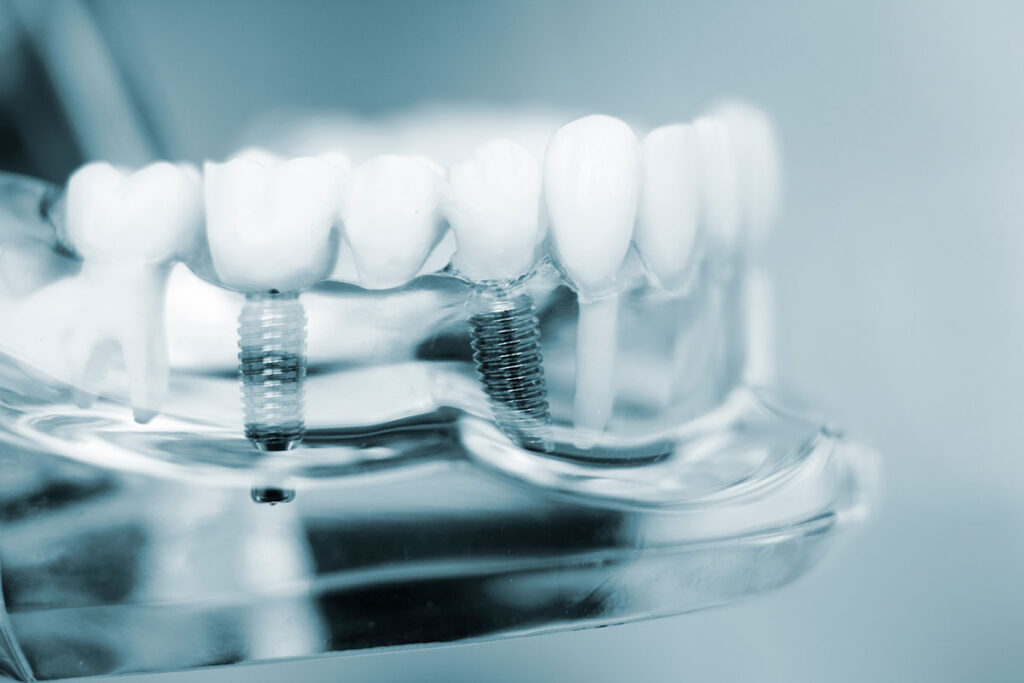
Con los avances de la tecnolog??a dental, la probabilidad de ??xito de los implantes dentales es bastante alta. Muchos pacientes pueden invertir en este tratamiento restaurador y disfrutar de resultados que duran para el resto de sus vidas.
But, although it is unlikely, there are circumstances when a failed dental implant can occur. If you have an implant, then it’s essential that you understand the signs so that you can contact your dentist as soon as possible.
If you have a failing dental implant, then it means that the implant didn’t integrate properly in the jawbone. Over time, the implant can become unstable and lead to further complications. Early detection is critical if your implant is failing, which is why we recommend regular dental checkups.
Las primeras se??ales de que su implante dental est?? fallando
One question we hear from our patients is, ‘How would I know if my dental implant is failing’? Rest assured knowing that these implant issues usually don’t appear overnight. In most cases, the symptoms are gradual in their development.
Est?? atento a estos s??ntomas tempranos de fracaso del implante y hable con su dentista lo antes posible si experimenta alguna de estas cosas:
- Palpitaciones o dolores persistentes tras el periodo de cicatrizaci??n
- Enrojecimiento o hinchaz??n alrededor del implante
- When you bite or talk, it feels like the implant ‘moves’ slightly
- Las enc??as empiezan a retraerse y a exponer el poste del implante.
Keep in mind that it’s normal and expected to have discomfort during your recovery phase. But if the pain or discomfort is ongoing or it starts to get worse, then that is a warning sign that something might be wrong.
??Qu?? causa el fracaso de un implante dental?
The key to success with a dental implant is a term called ‘osseointegration.’ This is the process where the implant fuses with the jawbone to create a strong base for the implant. If there is a problem with osseointegration, then this is usually the root cause that leads to failed dental implants.
Los problemas de osteointegraci??n suelen deberse a una infecci??n en la zona del implante o a una densidad ??sea insuficiente para mantener el implante en su sitio. Adem??s, otros problemas de salud pueden aumentar el riesgo de complicaciones del implante, como la diabetes no controlada o el tabaquismo, ya que ambos afectan a la cicatrizaci??n ??sea.
Cuanto antes se detecten los primeros s??ntomas del fracaso de un implante dental, mejor ser?? el resultado potencial. La detecci??n precoz suele ser la clave para evitar la p??rdida total del implante.
??C??mo saber si un implante dental est?? infectado?
Si tiene un implante dental infectado, aparecer??n signos evidentes. Algunos de los signos m??s comunes de infecci??n incluyen:
- Enc??as rojas o inflamadas
- Pus procedente de la zona del implante
- Las enc??as empiezan a sangrar con el cepillado o el hilo dental
- Mal sabor de boca persistente
- Dolor al masticar o morder
La infecci??n se produce cuando hay una acumulaci??n de bacterias bajo la l??nea de las enc??as. Si hay una infecci??n, aumenta el riesgo de que fallen los implantes dentales. Si la infecci??n no se trata, el implante puede aflojarse r??pidamente.
If Things Feel ‘Off,’ Call Your Dentist
How do you know if something is wrong with your implant? If something feels ‘off,’ then pay attention. In many situations, patients can feel that something is off before there are any visible signs of failing dental implants.
Por ejemplo, si notas que al morder sientes algo diferente, podr??a ser un indicio de que algo est?? pasando. Preste atenci??n tambi??n si las enc??as alrededor del implante cambian de color.
Ultimately, the most important thing that you need to do is trust your intuition and schedule a check-up in our dental clinic as soon as possible. It’s possible that a cleaning, treatment, and even a small adjustment can be the key factor in saving the implant before failure occurs.
Cuando acuda a nuestra consulta para la revisi??n, le realizaremos un examen visual y tambi??n utilizaremos radiograf??as digitales para ver lo que ocurre bajo la superficie. Estas im??genes ofrecen una excelente manera de comprobar la salud ??sea y la estabilidad del implante.
Opciones de tratamiento disponibles si ha fracasado un implante dental
Rest assured knowing that there are treatment options available if you are experiencing any complications with your dental implant. Each patient is unique, which is why there isn’t a one-size-fits-all treatment solution for every person. Potential treatment options might include:
- Limpieza profunda para eliminar la infecci??n
- Los antibi??ticos pueden ser eficaces cuando la infecci??n se detecta a tiempo
- El injerto ??seo a veces puede ser eficaz para fijar el implante
If removal is necessary, then there might be an option for re-implanting after the healing period. But it depends on bone density and other factors. Sometimes, it’s not possible to re-implant, so we can explore other tooth restoration services at that point (such as a bridge or dentures).
C??mo prevenir el fracaso de los implantes dentales
Nuestro equipo le dar?? consejos sobre c??mo proteger su implante y reducir el riesgo de complicaciones en el futuro. Lo mejor es mantener unos buenos h??bitos de salud bucodental para reducir la probabilidad de infecci??n y de fracaso del implante.
Aseg??rese de que se cepilla los dientes y utiliza el hilo dental con cuidado alrededor del implante. Mant??ngase constante con las limpiezas y revisiones regulares para que podamos detectar posibles problemas en las primeras etapas.
Adem??s, tenga cuidado de no da??ar el implante. Evite fumar y aseg??rese de utilizar un protector bucal si rechina los dientes por la noche.
Frequently Asked Questions
Los s??ntomas iniciales de un implante dental defectuoso incluyen dolor persistente, hinchaz??n o incluso la sensaci??n de que el implante se mueve un poco al masticar.
The first stage of a dental implant failure is when osseointegration fails and the implant doesn’t bond with the bone properly.
If you have a dental implant fail, it doesn’t necessarily mean that the dentist made a mistake with the treatment. Surgical errors can contribute, but often failed dental implants happen because of factors such as infection, bone loss, or poor aftercare.
If you suspect that you are having a problem with your dental implant, then the most important thing you can do is contact our team to book an appointment. We offer a range of restorative dentistry services to protect your dental health and preserve your smile. At myDental, we are committed to providing your family with safe, quality dental care. Book an appointment at one of our convenient locations to learn more about available services.
 English
 Spanish