Why Your Dental Anxiety Isn’t Just in Your Head (And What Helps)
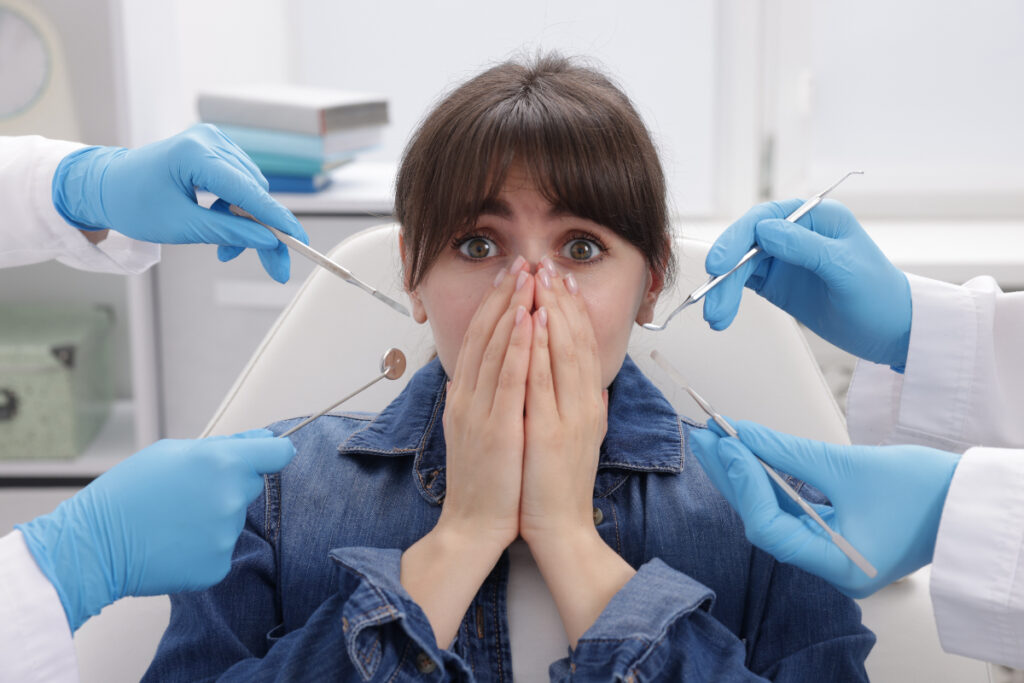
Do you know that it’s time to schedule a dental appointment, but you keep procrastinating the appointment because of anxiety about visiting the dentist? The truth is that dental anxiety is a real nervous system response’ you’re not just overreacting.
Instead of letting the anxiety drive your decisions, it’s time to find a clinic that provides dental anxiety relief in Austin. At myDental, our team offers high-quality care that feels safe and supportive. We understand that dental treatments can be overwhelming for some patients, which is why our team takes a proactive approach to ensure that you have a comfortable and calm experience from the moment you step through the door.
In this article, we are breaking down the reasons why people experience dental anxiety, as well as options that are available in modern dentistry that can calm this anxiety. Rest assured knowing that there are ways to get the services and treatments that you need from a gentle dentist, and protect your nervous system at the same time.
Why Dental Anxiety Feels So Intense
Even when you logically know that you are safe in the dental office, the fight-or-flight response can kick in. Your brain is always working hard to protect you, even if the danger isn’t real.
The sounds, smells, and bright lights in a dental office can trigger your survival instincts, especially when you are reclined in the dental chair. Once the nervous system is activated by this experience, it can be hard to calm the anxiety because it is a literal physical response that is occurring. It’s an automated response that can be learned in different experiences (even if it isn’t chosen consciously).
How Past Experiences Contribute to Dental Anxiety
One of the most effective ways to address dental anxiety relief in Austin is by understanding how past experiences are playing a role in your current reality. For example, if you’ve had painful or intense dental experiences in the past, then they can create strong memory loops in the brain.
Your body and mind perceived a loss of control because of the position of being reclined (a vulnerable position) in the dental chair. At the same time, you were unable to speak and even more vulnerable because your mouth was open. All of these things might seem relatively harmless on their own, but they can trigger major anxiety when stress or worry is associated with these past experiences.
Some patients also have other fears or phobias that can play a role in their dental anxiety, such as a fear of needles. In these situations, the anticipation of the dental appointment can sometimes be even more distressing than the actual experience. This anticipation might lead to avoidance and procrastination, which teaches the brain that escaping dental treatments will result in safety.
Distinguishing the Difference Between Dental Anxiety vs. Dental Phobia
If you have dental anxiety, then fear or stress likely shows up before or during your appointment, but this anxiety won’t necessarily stop you from getting the care that you need. In comparison, a dental phobia is much more intense and overwhelming, which can lead to complete avoidance. Sometimes, patients with dental phobias don’t get their teeth cleaned or checked for years’ which increases the risk of more severe dental complications and the need for more intensive treatments.
Regardless of whether you have dental anxiety or a phobia, you need a supportive dental team that will help you work through the physical sensations and emotions at the same time. It’s more than willpower; you need a gentle dentist who brings compassion and skill to help you access the dental services that you require.
Why ‘Just Relax’ Doesn’t Work (And What Actually Does)
In order to truly relax, your nervous system needs to feel safe. Even the most proactive positive thinking won’t override survival responses that are happening in your body. Our team at myDental is here to assist, offering neuroscience-based methods to help you feel calmer by shifting the body out of fight-or-flight.
Here are some of the strategies that you might try for dental anxiety relief in Austin:
NuCalm
This drug-free system uses a combination of sound frequencies, guided breathing, and sensory input to move your brain into a calm, parasympathetic state. You will feel deeply relaxed, similar to the feeling of early sleep. Keep in mind that NuCalm doesn’t distract the brain. Instead, it changes how the brain is processing stress.
Early research shows that these types of calming methods can actually reduce stress hormones in the body, which in turn decreases the physical symptoms that are happening, such as a rapid heartbeat, muscle tension, and shallow breathing.
NuCalm is a great option to consider if you want to feel calmer without using medication.
VR Distraction
Another strategy that we can use is giving you a distraction that takes your mind off the dental work occurring in the moment. Virtual reality (VR) can occupy your brain’s attention, which reduces your awareness of dental triggers.
This strategy uses digital visuals that can reduce your anticipation of pain and help the appointment feel shorter. If you have sensory sensitivities or racing thoughts related to dental anxiety, then VR can be especially helpful.
Sedation Dentistry
One medical option that you might consider is using certain methods that help you relax or even sleep during the appointment. Depending on your unique needs, sedation dentistry might be a legitimate medical solution and not just a last resort.
While dental sedation isn’t for everyone, there are often situations where it makes sense. We might recommend this option for patients with severe fear, dental phobias, past trauma, mental disabilities, or longer dental procedures.
Nitrous oxide is a light form of sedation that helps the body relax, but keeps you awake and responsive the whole time. Or, if you need a deeper sedation, then we might recommend oral or IV sedation depending on your medical history and anxiety levels.
How to Choose the Best Clinic for Dental Anxiety Relief in Austin
One of the most important decisions you will make to help with your dental anxiety is choosing an experienced, gentle dentist that you can trust. Find a dentist with good chairside manners who prioritizes communication, consent, and emotional safety at all times.
Anxiety-aware dentistry is slower and more compassionate compared to general dentistry. Our team takes everything at a pace that is comfortable for you and explains each step throughout the treatment. Additionally, we check in frequently to check your comfort levels and give you the reassurance that you are in a judgment-free zone.
Dental Anxiety and Dental Phobia Tips
If you are preparing for an upcoming dental appointment, there are a few things that you can do before and during the appointment to calm your anxiety or phobia. Here are a few recommendations you might consider:
- Before Your Appointment: Schedule the appointment early to reduce your buildup of anxiety during the day. Take time to practice grounding techniques before the appointment, such as muscle relaxation or slow breathing. Consider alleviating your mental load by writing down fears or triggers.
- During Your Appointment: Before the treatment starts, talk with the dentist about hand signals that you can use to pause or stop. Ask the team to keep you informed with clear explanations before each step. Rest assured knowing that you can take breaks as often as needed.
Calm, Patient-Focused Dental Anxiety Relief in Austin
Our team at myDental understands that dental anxiety is common and valid. We are here to support your experience with science-backed tools that can help you feel calm and relaxed during your appointment.
For more information about available dental services, reach out to our team to discuss your needs. We offer multiple locations and full-service, family-oriented treatments, including general dentistry, preventive services, and restorative treatments.
Frequently Asked Questions
Dental anxiety affects an estimated 36% of the population, with about 12% experiencing extreme dental fear or phobia. It is a recognized nervous system response, not simply nervousness or overreacting. If anxiety is preventing you from getting dental care, talk to a dentist who specializes in anxiety-friendly techniques.
Dental anxiety causes stress before or during appointments but usually does not prevent you from attending. Dental phobia is a more intense fear that can lead to complete avoidance of dental care, sometimes for years. Both conditions benefit from a supportive dental team that uses calming techniques and clear communication.
Sedation dentistry can significantly reduce fear and discomfort during dental procedures. Options range from nitrous oxide, which keeps you relaxed but awake, to oral or IV sedation for deeper relaxation. A dentist can evaluate your medical history and anxiety level to recommend the best sedation option for your situation.
NuCalm is a drug-free relaxation system that uses sound frequencies, guided breathing, and sensory input to shift your brain into a calm state. It works by activating the parasympathetic nervous system, which can reduce stress hormones, slow heart rate, and ease muscle tension. It is a good option for patients who prefer to avoid medication.
Sedation dentistry costs vary depending on the type used. Nitrous oxide is typically the most affordable option, while IV sedation costs more. Some dental insurance plans cover sedation for certain procedures or qualifying conditions, so check with your provider. Many dental offices in the Austin TX area also offer payment plans.
 English
 Spanish