Are Charcoal Toothpastes Safe? A Look at Trending Dental Products
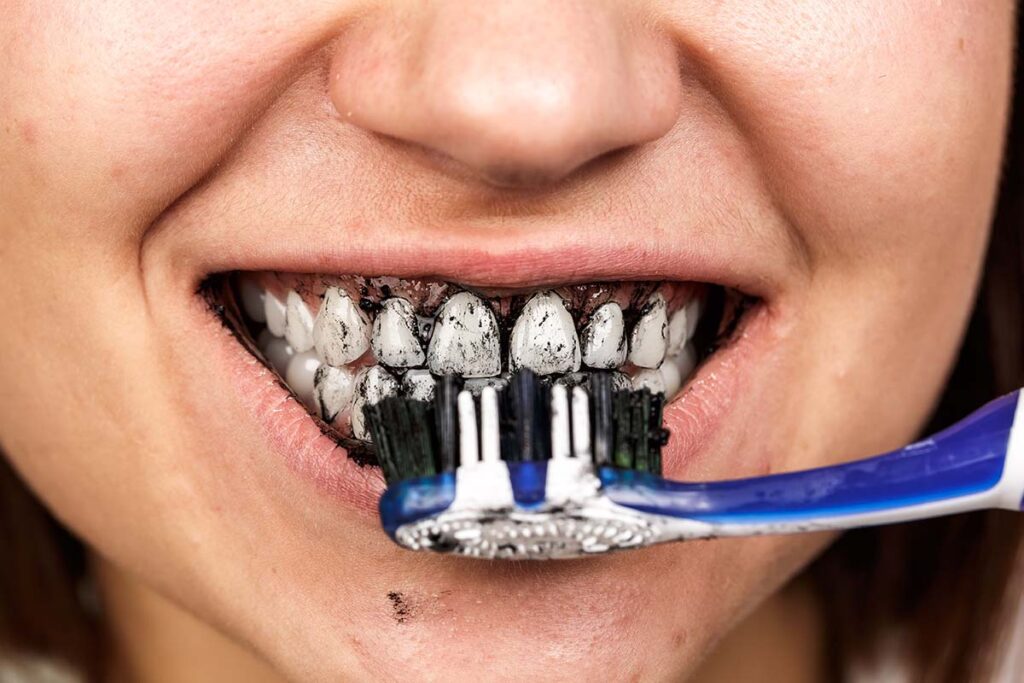
How often do you find dental or health hacks on social media and want to try them at home? Charcoal toothpaste is one trend that has blown up in popularity because of digital conversations. People love the idea that they can whiten their teeth, especially with a low-cost product like charcoal.
But, before you make any changes in your dental health habits, it’s a good idea to ask: Is charcoal toothpaste safe? While there is a lot of great information online, it’s essential to consult with a dental professional so that you understand the science and potential benefits or risks.
What is Charcoal Toothpaste Actually Made From?
Read the ingredient label, and you will see that charcoal toothpaste is quite different from other whitening toothpaste products. Most of the time, these formulations for activated charcoal toothpaste contain an activated form because it’s more absorbent and porous. The intention is to use the absorption of the charcoal to bind surface stains from the teeth.
Throughout history, charcoal has often been used to absorb toxins. For example, it can be helpful for people experiencing digestive issues. So, it makes sense that people would assume that charcoal can be safe and effective for teeth. But just because something is marketed as ‘natural,’ it doesn’t necessarily mean that it’s harmless.
What We Know So Far About Charcoal in Toothpaste
Is activated charcoal toothpaste safe? The truth is that research surrounding charcoal toothpaste is still limited, so we can’t make any firm conclusions at this point. The use of charcoal in toothpaste is a relatively new practice. But the early studies are raising caution, which is why many dentists discourage their patients from using charcoal toothpaste.
The main concern is that charcoal toothpaste is too abrasive, which can actually wear down tooth enamel over time. Enamel loss is irreversible, and it can cause long-term consequences such as discoloration and tooth sensitivity.
Possible side effects of charcoal toothpaste include:
- Enamel erosion
- Tooth sensitivity
- Gum irritation
- Lack of fluoride protection
- Micro-scratches on the teeth, increasing the risk of long-term damage
- Damage to dental restorations, including crowns, bridges, and veneers
Additionally, some patients have problems when the charcoal particles get stuck along the gum lines. These particles can start to cause irritation and discomfort, which is not only inconvenient’ but could potentially increase the risk of complications in the future.
Understanding Toothpaste Abrasiveness Levels
The Relative Dentin Abrasivity (RDA) scale is a measurement of how much abrasiveness a toothpaste offers. Some pastes are gentle, while other products that are higher on the RDA scale can slowly wear down your enamel over time.
Most charcoal toothpaste formulas do not list their abrasiveness levels, which means that it is basically a gamble if you choose to use these products. The abrasive texture causes real concerns, especially when you are using these products consistently. Combine abrasive toothpaste with aggressive brushing, and it’s possible that you are speeding up the wear and tear on your teeth.
You don’t want your enamel to wear down because of routine brushing. This is why most dentists recommend that you skip the charcoal toothpaste and choose a gentler formula with fluoride instead. There are safer alternatives for teeth whitening. It’s better to choose a gentle whitening formula with a low abrasivity level. You can use at-home products or schedule an appointment with our team for in-office teeth whitening. When it comes to teeth whitening, it’s better to think about your long-term dental health instead of chasing quick fixes.
Should You Avoid Charcoal Toothpaste Completely?
Who shouldn’t use charcoal toothpaste? Every patient is unique, which is why it’s best to consult with an experienced dentist for personalized recommendations. Some people might be able to use charcoal toothpaste occasionally with no issues. But it’s recommended that patients with these conditions should avoid charcoal toothpaste:
- Gum Recession or Sensitivity: Activated charcoal could cause more irritation to the gums, so it should be avoided.
- Dental Restorations: If you have crowns, veneers, or dental bonding, then it’s best to avoid charcoal toothpaste because it can cause scratches or discoloration to affect the appearance of the restorations.
- Children: We recommend that children should never use charcoal toothpaste for two reasons. Not only is there a higher risk of damaging their enamel, but children are also more prone to swallowing toothpaste.
- Cavity-Prone Patients: Since charcoal toothpaste doesn’t have fluoride, it’s not recommended for people who have a higher risk of cavities or tooth decay.
Expert Dental Advice from a Team You Can Trust
If you want to improve your smile and protect your teeth, then contact our team for personalized recommendations. We offer a variety of preventive dentistry services and provide services for patients of all ages.
At myDental, we are here to help with all of your dental questions. You are invited to schedule an appointment at one of our convenient locations. Call anytime if you have questions about available services.
Frequently Asked Questions
Most dentists do NOT recommend charcoal toothpaste because of its abrasive nature (which can damage enamel).
No, charcoal toothpaste is not FDA-approved. The FDA does not approve individual cosmetic toothpaste ingredients.
Potential side effects might include enamel erosion, tooth sensitivity, and gum irritation. Some patients experience a black residue that stays along the gum line.
Baking soda is less abrasive than charcoal. So, some people choose to use baking soda occasionally as an alternative to activated charcoal toothpaste.
 English
 Spanish